


New Year Party in Goa 2027: 10 Best Private Pool Villas
 | Oct 28, 2026

Manali is the kind of place where your morning is spent staring slack-jawed at snow-capped peaks, and by evening you’re sipping coffee in a cosy cafe wondering how a single day can feel this good. Tucked into the Kullu Valley of Himachal Pradesh, this hill town has built its reputation on snowy landscapes, jaw-dropping drives, adrenaline-pumping activities, and a mountain vibe that makes you want to slow your whole life down.
Romantic getaway? Family trip? A chaotic-but-fun holiday with friends? Manali says yes to all of it. This guide walks you through the best places to visit, the best things to do, when to go, how to get there, and a bunch of practical tips so your mountain holiday runs as smoothly as possible.
Manali is basically nature’s greatest hits album: mountains, forests, rivers, and enough activities to fill a week, or none at all if you’d rather just do nothing with a great view.
Not sure where to start? Fair enough, a lot is going on here. This section rounds up temples, valleys, waterfalls, viewpoints, and the mountain icons that make Manali, well, Manali.

Location: Old Manali, about 2 km from Manali Mall Road, surrounded by the Dhungri cedar forest
Surrounded by towering deodar cedars that look like they belong in a fantasy film, Hadimba Devi Temple is one of Manali’s most unmistakable landmarks. Built in 1553, its pagoda-style wooden architecture is completely unlike the marble-and-dome temples you’ll find elsewhere in India, and that alone makes it worth the visit. The forest setting keeps things cool and quiet even when the rest of the town is buzzing, so it doubles as a nice little escape. Even if temples aren’t usually your thing, the walk through the cedar grove to get here is reason enough to go.

Location: Across the Manalsu River, roughly 3 km north of the main Manali town centre
Old Manali is where you go to hit pause on the itinerary and just exist for a while. The narrow lanes are lined with quirky little shops, live-music cafes, and backpacker hangouts that give it a completely different energy from the busier main town. It’s the kind of place where you plan to stop for one coffee and somehow lose two hours. Add in the mountain backdrop and the slower pace of life, and it’s easy to see why so many travellers end up extending their stay here.
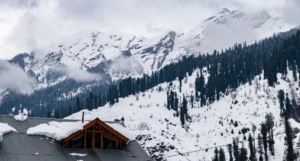
Location: About 14 km northwest of Manali, on the road towards Rohtang Pass
Solang Valley is where Manali gets its adventure-park reputation. Depending on the season, you can try paragliding over the valley, zorbing down grassy slopes, or throwing yourself into snow activities when the winter powder rolls in. Even if you skip the activities entirely, the sweeping views of glaciers and green meadows make it worth the drive on their own. It’s a popular day-trip spot, so arriving early helps you dodge the crowds and get the best of the views before the tour buses pile in.
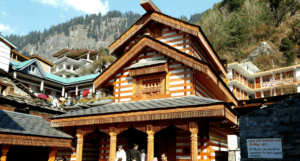
Location: Vashisht village, around 3 km from Manali, across the Beas River
Vashisht is a two-for-one deal: an ancient stone temple dedicated to Sage Vashisht, plus natural hot springs that feel like a reward after a day of mountain walking. Legend has it that the springs have healing properties, and honestly, after a cold Himalayan morning, they’ll convince you regardless of the mythology. The village itself sits at a slightly higher elevation, which means even better mountain views than you get from central Manali. Wander its narrow lanes a bit, and you’ll stumble on cafes and shops that feel far less touristy than the main strip.

Location: Old Manali, a short walk from Hadimba Devi Temple
Tucked away in Old Manali, Manu Temple is dedicated to Sage Manu, believed in local legend to be the creator of the human race, not a bad claim to fame for a fairly small temple. It’s built in a similar wooden style to Hadimba Devi Temple, and its riverside setting near the Manalsu makes it a peaceful little detour. Because it sits right along the Old Manali walking route, you can easily fold it into an afternoon of cafe-hopping without going out of your way. It’s less crowded than some of Manali’s bigger attractions, which makes it a nice, unhurried stop.

Location: Starts near Vashisht village, roughly 3 km trek from the main road
Jogini Waterfall rewards you for a bit of effort; it’s a short but genuinely scenic trek from the Vashisht area, winding through forest trails, apple orchards, and mountain streams. The waterfall itself cascades down in tiers, and the pool at the base is a popular (if chilly) spot to dip your feet. The trail isn’t overly strenuous, which makes it a great half-day activity for most fitness levels. Go in the morning if you can; the light through the trees on the way up makes the whole walk feel like a mini adventure.

Location: The heart of central Manali town
Mall Road is Manali’s beating commercial heart, part market, part meeting point, and entirely essential for a first visit. It’s lined with shops selling woollens, handicrafts, and souvenirs, alongside restaurants and food stalls that make it easy to snack your way down the street. Evenings here get especially lively, with the lights coming on and the whole town seeming to spill out for a stroll. It’s touristy, sure, but in the best possible way, a great spot to soak in Manali’s buzz before heading back to quieter corners of town.

Location: About 51 km from Manali, on the Leh-Manali Highway
Rohtang Pass is where Manali’s mountain drama hits its peak, literally, at over 3,900 metres above sea level. The high-altitude scenery here is dramatic even by Himalayan standards, with snow lingering well into the warmer months in many years. Access is seasonal and often regulated, with permits and vehicle restrictions coming into play depending on weather and road conditions, so it’s worth checking current rules before you plan a trip out. If you do make it up, dress warm; temperatures up here can be brutal even when Manali town is perfectly pleasant.
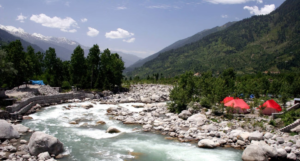
Location: Along the road to Solang Valley, about 5 km from Manali
Nehru Kund is Manali’s quiet little secret, a natural freshwater spring tucked just off the road to Solang Valley, easy to miss if you’re not looking for it. Local legend says it’s fed by melting glacier water, and it’s reportedly named after India’s first Prime Minister, who is said to have drunk from it on a visit. It’s not a major attraction by any stretch, but that’s exactly its charm: a peaceful, five-minute pit stop on a longer road trip. Grab a quick photo, breathe in the mountain air, and keep driving.
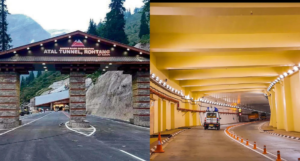
Location: About 25 km from Manali, connecting to the Lahaul-Spiti region
The Atal Tunnel is a genuine engineering marvel; at over 9 km long, it’s one of the world’s longest highway tunnels above 10,000 feet, and it’s cut travel time to the Lahaul region dramatically. Before the tunnel opened, this route was only accessible via the much higher and far more treacherous Rohtang Pass, often cut off entirely in winter. Driving through it feels like an attraction in itself, and it opens the door to the stark, dramatic landscapes of Lahaul-Spiti that lie beyond. Even if you don’t continue all the way into Lahaul, the drive up to and through the tunnel is worth doing just for the views.
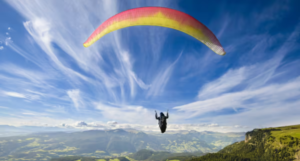
From lazy cafe mornings to full-blown adventure days, Manali basically lets you choose your own itinerary. Here’s the good stuff to build your trip around.
Manali has trails for everyone, from easy forest walks to properly demanding mountain routes. The region’s popular treks wind through pine forests, alpine meadows and viewpoints that make every uphill huff worth it.
The Beas River is Manali’s built-in adrenaline machine, with rafting available on suitable stretches during the right seasons. It’s a genuinely fun way to shake up a sightseeing-heavy itinerary.
Solang Valley is the spot for paragliding, weather permitting, and it flips your entire perspective of the valley upside down, literally. Floating above the mountains you were just standing on is an experience that’s hard to beat.
Winter turns the higher reaches around Manali into a proper snow playground. Just check local weather and operating conditions before heading out, since access can change quickly.
Half the fun in Manali is the getting there. Drives towards Solang Valley, the Atal Tunnel, or other accessible mountain roads turn a simple day trip into a full-blown scenic adventure.
A mountain holiday goes a whole lot smoother with a little preparation. Keep these in your back pocket.
Since Manali doesn’t have its own railway station or commercial airport, getting there is part of the adventure. Most travellers route through nearby hubs and finish the journey by road.
The nearest airport is Kullu-Manali Airport (Bhuntar Airport), tucked in the Kullu Valley with fairly limited flight connectivity.
For more flight options, Chandigarh International Airport is a solid alternative, followed by a scenic road journey to Manali.
Best route: Fly into Kullu-Manali Airport for the shortest transfer, or pick Chandigarh if it works better with your flight options.
Manali skips the railway entirely; there’s no station in town. The nearest broad-gauge station is Chandigarh Railway Station.
From there, it’s a bus, taxi, or private vehicle the rest of the way.
Best route: Chandigarh Railway Station to road journey to Manali.
Road travel is the classic way in, and Manali connects well to Chandigarh, Delhi, and other North Indian cities via a solid highway network.
NH 3 is the key route through the region, with most Delhi travellers passing through Chandigarh and Bilaspur before continuing to Mandi, Kullu, and finally Manali.
Best route from Delhi: Delhi to Chandigarh to Bilaspur to Mandi to Kullu to Manali.
Volvo and other luxury buses run from Delhi and Chandigarh too, making an overnight journey a genuinely comfortable option.
Getting around Manali is easy; the right option just depends on how far you’re headed.
If your day involves multiple far-flung attractions, hiring a taxi for the day tends to be the easiest way to see it all.
Picking the right time really comes down to what you’re chasing: pleasant weather, greenery, snow, or full-on adventure.
For comfortable all-round sightseeing, March to June is your safest bet, while winter is the go-to season for snow-chasers.
A 3- to 4-day Manali trip hits the sweet spot for first-timers who want to see it all without sprinting through it.
1st day: Explore Manali
Day 2: Solang Valley
3rd day: Vashisht and Nearby Attractions
Day 4th day: Local Exploration
Suggested Read: Places To Visit In Uttarakhand Within 100 Km: Top Attractions & Getaways
Manali’s food scene swings from hearty Himachali classics to cafe menus that could pass for a European brunch spot.
Forget malls, shopping in Manali is all about local finds and mountain essentials.
Manali covers all the bases: hotels, resorts, cottages, homestays, and private villas. Your choice usually comes down to central convenience versus the quieter charm of Old Manali and the wider valley.
For families and groups who’d rather have their own space than a standard hotel room, ELIVAAS Luxury Villas in Himachal Pradesh are a great shout.
Manali bends to whatever kind of holiday you’re after. Chase mountain views and adventure one day, wander temples and local markets the next, or just plant yourself at a riverside cafe and call it a win.
Plan your sightseeing around the weather, keep some breathing room in your schedule, and give mountain roads the extra time they deserve. Get that balance right, and Manali turns into the kind of trip you’ll be talking about long after you’ve left the mountains behind.
Suggested Read: Uttarakhand Travel Guide: Explore Top Places, Attractions, Activities & Tips
1. How many days are enough for a Manali trip?
Three to four days are enough for the main attractions, while longer stays allow time for trekking and nearby destinations.
2. What is Manali famous for?
Manali is known for Himalayan scenery, snow, adventure activities, temples, valleys, cafés and scenic drives.
3. What are the best places to visit in Manali?
Hadimba Devi Temple, Old Manali, Solang Valley, Vashisht, Manu Temple, Jogini Waterfall, Rohtang Pass and Atal Tunnel are popular highlights.
4. Is Manali good for families?
Yes. Families can enjoy sightseeing, nature walks, temples, scenic drives and seasonal activities.
5. Is Manali good for couples?
Yes. Mountain views, cosy cafés, peaceful walks and scenic surroundings make it a lovely couple’s getaway.
6. What is the best time to visit Manali for snow?
Winter is generally the best time for snow, especially in higher areas, though conditions depend on the weather.
7. How can I reach Manali by train?
Manali has no railway station. Chandigarh Railway Station is a major rail gateway, followed by a road journey to Manali.
8. Which airport is nearest to Manali?
Kullu-Manali Airport at Bhuntar is the closest airport. Chandigarh International Airport offers more flight options.
9. What should I pack for Manali?
Carry warm layers, comfortable shoes, sunscreen, sunglasses, a water bottle and suitable winter clothing if needed.
10. Where should I stay in Manali?
Choose from hotels, resorts, cottages, homestays and private villas. ELIVAAS Luxury Villas in Manali suit families and groups seeking extra space and privacy.
Planning a New Year party in Goa in 2027? Goa is a popular destination for welcoming the New Year,... Read more

Dubai is often associated with towering skyscrapers, luxury shopping malls and glamorous... Read more

Jaipur is known for its royal heritage, colourful markets and vibrant cultural traditions. Every... Read more
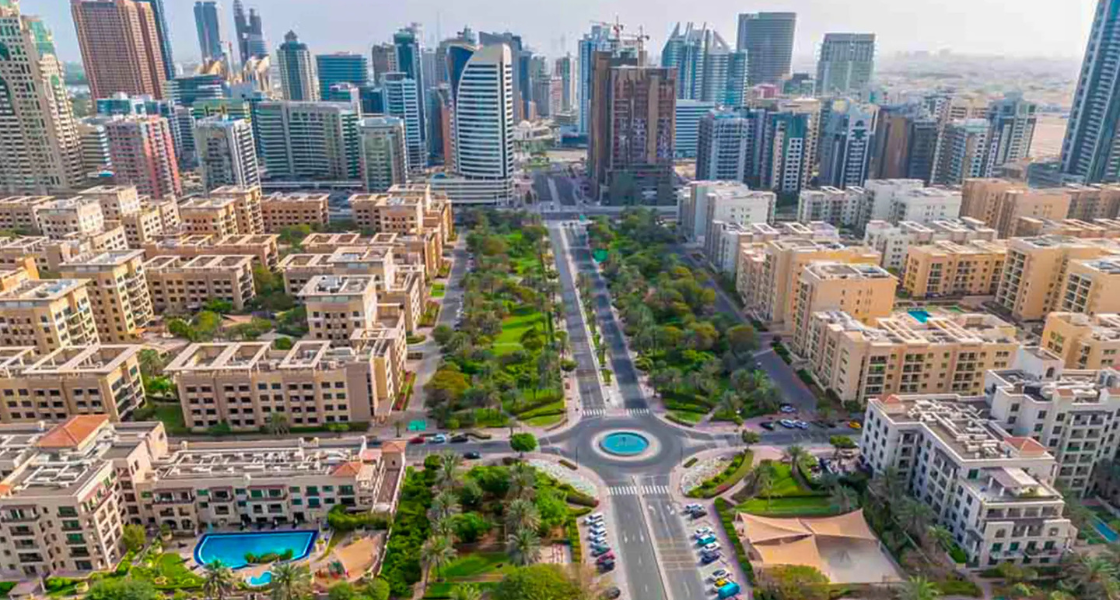
Arjan is a growing residential neighbourhood in Dubai that offers a refreshing mix of green spaces,... Read more
Planning a New Year party in Goa in 2027? Goa is a popular destination for welcoming the New Year,... Read more
Dubai is often associated with towering skyscrapers, luxury shopping malls and glamorous... Read more
Jaipur is known for its royal heritage, colourful markets and vibrant cultural traditions. Every... Read more
Arjan is a growing residential neighbourhood in Dubai that offers a refreshing mix of green spaces,... Read more
 Switch
 Explore
 My Bookings
 Profile
