


New Year Party in Goa 2027: 10 Best Private Pool Villas
 | Oct 28, 2026

The Nashik Kumbh Mela is one of India’s most significant Hindu pilgrimages, bringing together devotees, saints, sadhus and spiritual seekers along the banks of the sacred Godavari River. Held in Nashik and the nearby town of Trimbakeshwar in Maharashtra, this extraordinary gathering combines ancient traditions, sacred bathing rituals, temple visits and vibrant religious processions. For many pilgrims, attending the Kumbh Mela is a deeply meaningful experience rooted in faith, devotion and spiritual renewal.
The upcoming Nashik–Trimbakeshwar Simhastha Kumbh Mela is scheduled to begin with flag hoisting on 31 October 2026, followed by major bathing occasions in August and September 2027. If you are planning a visit, understanding the Shahi Snan dates, important ceremonies, sacred sites and travel arrangements can help you prepare for the crowds and make your pilgrimage more comfortable. Here is a guide to help you plan your journey.
The Nashik Kumbh Mela, also known as the Simhastha Kumbh Mela, is organised according to traditional Hindu astrological beliefs. Nashik and Trimbakeshwar hold a special place in the pilgrimage because of their association with the Godavari River, which is revered as a sacred river in Hinduism.
The gathering is traditionally held when specific planetary alignments occur, including Jupiter’s position in Leo, or Simha Rashi. Devotees believe that bathing in the sacred waters during auspicious periods can help cleanse spiritual impurities and support their religious journey.
Here is what makes the Nashik Kumbh Mela special:
The Kumbh Mela is not just a religious event. It is also an opportunity to experience India’s living spiritual traditions on a remarkable scale.
The upcoming Simhastha Kumbh Mela spans a longer period than the main bathing days. The opening ceremony marks the beginning of the gathering, while the largest crowds are expected around the major bathing occasions in 2027.
The current interim schedule lists the following important dates:
Shahi Snan, increasingly referred to as Amrit Snan, is one of the most important rituals of the Kumbh Mela. It involves ceremonial bathing by members of the akhadas, which are traditional religious orders.
The bathing procession is a major part of the occasion. Sadhus and religious leaders travel towards designated bathing areas in organised processions, accompanied by devotional chants and traditional displays. Their ritual bathing takes place according to established religious customs, after which other pilgrims may bathe as directed by the authorities.
For visitors, the Shahi Snan is an opportunity to witness a centuries-old religious tradition. However, these days also attract exceptionally large crowds, so pilgrims should plan carefully and follow all local instructions.
The Kumbh Mela involves much more than the main bathing rituals. Several ceremonies and spiritual activities take place throughout the gathering.
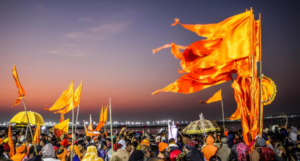
Dhwajarohan marks the formal opening of the Kumbh Mela period. The ceremony has religious significance and signals the beginning of the gathering at Nashik and Trimbakeshwar.
For pilgrims who want to experience the start of the event without necessarily attending the busiest bathing days, the opening period may be worth considering. Check the official programme for the ceremony’s location, timing and access arrangements.
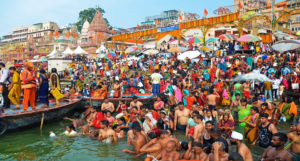
The Shahi Snan is the centrepiece of the Kumbh Mela. Akhadas follow traditional processions to designated bathing sites, where their members take the sacred dip.
These occasions are among the busiest days of the entire gathering. Pilgrims should not assume that they can reach the riverfront at any time or bathe at any ghat. Access may be controlled, and designated areas or time windows may apply.
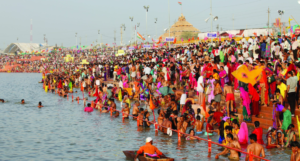
Apart from the main Shahi Snan days, the Kumbh Mela calendar includes other auspicious bathing occasions known as Parvani. These are linked to religious dates and may also draw large crowds.
If your main aim is to visit the temples, explore Nashik’s sacred neighbourhoods or attend religious discourses, check the calendar for other important dates. They may offer a different experience from the principal bathing days, although crowd levels can still be high.
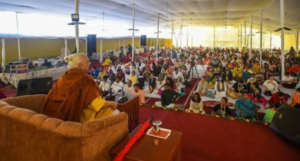
Spiritual talks, satsangs and discussions led by religious teachers form an important part of the Kumbh Mela. These gatherings offer insights into Hindu philosophy, devotional practices and traditional teachings.
The exact programme varies. Look for announcements from recognised organisers and religious institutions to find sessions that match your interests.
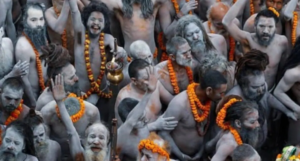
The akhadas represent different religious traditions and monastic lineages. Their processions, camps and public appearances are among the most distinctive features of the Kumbh Mela.
Visitors should observe processions respectfully, avoid restricted areas and follow instructions from police and event volunteers. Photography may be restricted in some locations, so ask before taking close-up pictures of religious leaders or ceremonies.
Nashik and Trimbakeshwar offer several sacred sites worth exploring alongside the main Kumbh Mela activities. Some are central to the pilgrimage itself, while others provide opportunities to discover the area’s religious history and local culture.
Here are ten places to consider adding to your itinerary:
1. Ramkund
2. Trimbakeshwar Jyotirlinga Temple
3. Kushavarta Kund
4. Panchavati
5. Kalaram Temple
6. Kapaleshwar Mahadev Temple
7. Sita Gufa
8. Godavari Ghats
9. Anjaneri Hills
10. Pandavleni Caves
These places offer a mix of sacred bathing sites, important temples, religious landmarks and historic attractions. If you are visiting during a major bathing ceremony, prioritise the sites connected to your pilgrimage and keep other sightseeing plans flexible. Distances that usually take a short drive may require considerably more time during the Kumbh Mela.
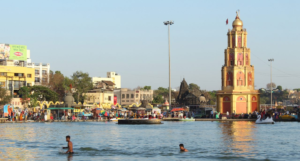
Location: Panchavati, Nashik
Ramkund is one of Nashik’s most important sacred bathing sites and a focal point of the Kumbh Mela. Situated along the Godavari River, the kund attracts pilgrims who come to pray, perform religious rites and take part in bathing rituals.
During the Kumbh Mela, the surrounding riverfront becomes an important gathering place. The atmosphere can be especially intense on auspicious bathing days, when large numbers of devotees arrive.
What to experience:
Ideal time to visit: Early morning or another time permitted by the authorities.
Time needed: Around 1–2 hours, depending on access and crowd conditions.
Entry fee: Generally no entry fee for the public bathing area; event-specific arrangements may apply.
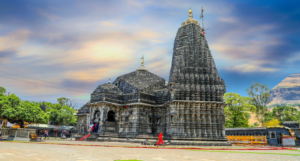
Location: Trimbak, near Nashik
Trimbakeshwar Jyotirlinga Temple is one of the twelve revered Jyotirlingas dedicated to Lord Shiva. The temple is an important pilgrimage destination in its own right and becomes especially significant during the Simhastha Kumbh Mela.
Its traditional stone architecture and spiritual atmosphere make it a meaningful stop for devotees. Since Trimbakeshwar is also a major Kumbh Mela location, travel and temple access may be affected by crowd-management arrangements.
What to experience:
Ideal time to visit: During an officially permitted visiting period.
Time needed: Around 2–4 hours or longer during busy periods.
Entry fee: General darshan is typically free; special rituals or services may have separate charges.
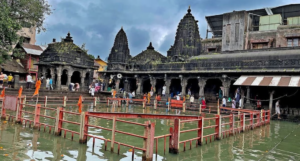
Location: Trimbak, near Trimbakeshwar Temple
Kushavarta Kund is a sacred water tank in Trimbakeshwar and is closely associated with the religious traditions of the Godavari. It is also a principal bathing location during the Simhastha Kumbh Mela, particularly for the Shaiva akhadas.
The kund is an important part of the local pilgrimage landscape. During the Kumbh, its surroundings may be subject to crowd restrictions, security checks and controlled access.
What to experience:
Ideal time to visit: Check the official schedule and local access notices before setting out.
Time needed: Around 45 minutes to 1.5 hours, depending on crowd conditions.
Entry fee: Generally no separate entry fee for the public area; event-specific restrictions may apply.
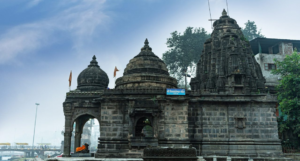
Location: Northern part of Nashik city
Panchavati is one of Nashik’s best-known religious neighbourhoods, associated with episodes from the Ramayana. The area includes several temples, sacred sites and traditional lanes, making it an important stop for pilgrims exploring the city.
It is also close to Ramkund and other riverfront sites, so visitors can explore multiple religious landmarks in the same area. During the Kumbh Mela, walking may be more practical than driving around the busiest parts of Panchavati.
What to experience:
Ideal time to visit: Early morning or another period recommended by local authorities.
Time needed: Around 2–3 hours.
Entry fee: No general entry fee to explore the neighbourhood; individual sites may have their own rules.
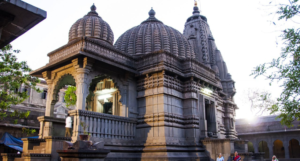
Location: Panchavati, Nashik
Kalaram Temple is a prominent temple dedicated to Lord Rama. Its dark stone construction, traditional architecture and religious importance make it one of the best-known landmarks in Panchavati.
The temple is a meaningful stop for devotees and travellers interested in Nashik’s religious heritage. During the Kumbh Mela, check temple timings and crowd-control measures before visiting.
What to experience:
Ideal time to visit: Early morning or during an officially permitted visiting period.
Time needed: Around 45 minutes to 1.5 hours.
Entry fee: Generally free for darshan; special services, if available, may have separate charges.
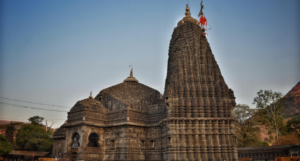
Location: Near Ramkund, Panchavati, Nashik
Kapaleshwar Mahadev Temple is a well-known Shiva temple near the Godavari riverfront. Its location makes it convenient to include alongside Ramkund and other Panchavati landmarks.
The temple provides another perspective on Nashik’s religious traditions and is worth considering if you are spending time exploring the sacred riverfront.
What to experience:
Ideal time to visit: Early morning, subject to temple timings and event arrangements.
Time needed: Around 30–60 minutes.
Entry fee: Generally free for darshan.
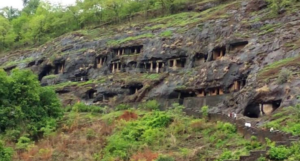
Location: Panchavati, Nashik
Sita Gufa, or Sita Cave, is a small religious site associated with the Ramayana tradition. It is visited by pilgrims exploring places connected with the story of Lord Rama, Sita and Lakshmana.
The cave and its surroundings can become crowded during festivals and religious gatherings. Access may also be challenging for some visitors because of narrow passages or steps, so check the conditions before entering.
What to experience:
Ideal time to visit: Outside peak crowd periods, if possible.
Time needed: Around 30–60 minutes.
Entry fee: Usually no major entry charge; verify locally.
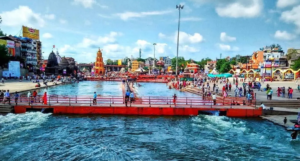
Location: Various riverfront areas in Nashik
The Godavari ghats are central to Nashik’s religious identity. These riverfront steps and bathing areas are used for prayers, rituals and holy dips throughout the year, with activity increasing considerably during the Kumbh Mela.
The atmosphere along the river can be memorable, particularly when devotees gather for worship. However, not every ghat will necessarily be open for bathing during the event, and some may be reserved for specific ceremonies or crowd-management purposes.
What to experience:
Ideal time to visit: Early morning or during a permitted visiting period.
Time needed: Around 1–2 hours.
Entry fee: Public access is generally free, subject to temporary event restrictions.
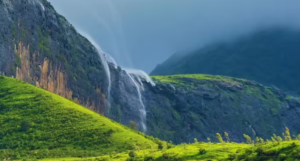
Location: Near Nashik, towards Trimbak
Anjaneri Hills is known for its natural landscape and religious associations with Lord Hanuman. The area offers a different experience from the crowded riverfront and temple precincts, with hills and open scenery around the Nashik region.
A visit requires separate travel and may involve a hike, so it is better suited to pilgrims who have additional time and are comfortable with outdoor activity. Avoid planning a trek immediately before or after a demanding day in the main Kumbh crowds.
What to experience:
Ideal time to visit: Cooler hours, subject to local conditions and trail access.
Time needed: Half a day, depending on the route.
Entry fee: Check current local rules and any applicable charges.
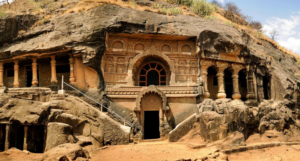
Location: Near Nashik city, on Trirashmi Hill
Pandavleni Caves are a group of ancient rock-cut Buddhist caves that offer a glimpse into the region’s historic religious and architectural heritage. The site is a useful addition for visitors who want to explore something beyond temples and bathing ghats.
The caves are on a hillside, so reaching them involves walking and climbing steps. If you plan to visit during the Kumbh Mela, allow for additional travel time and check opening hours before leaving.
What to experience:
Ideal time to visit: Morning or late afternoon, subject to official opening hours.
Time needed: Around 1.5–2.5 hours.
Entry fee: Entry charges may apply; confirm current rates before visiting.
The Kumbh Mela can be an intense experience, especially for first-time visitors. Planning a mix of religious activities and quieter sightseeing can help you make the most of your time.
Keep your itinerary flexible. The main bathing days may involve road closures, diversions, long queues and changes to public transport.
With large crowds expected, preparation is essential. A little planning can make the pilgrimage more manageable, especially for families, older travellers and people visiting for the first time.
The best time depends on whether you want to attend a major bathing ceremony, explore the temples or experience the pilgrimage atmosphere at a potentially less intense pace.
The main bathing dates in the current interim schedule fall in August and September 2027. These are the most significant days for pilgrims who specifically want to witness the ceremonial bathing traditions.
They are also likely to be among the busiest periods. Expect extensive crowd-management arrangements and possible restrictions on vehicle movement, access routes and bathing locations.
If your priority is darshan, temple visits and exploring Nashik’s sacred neighbourhoods, consider dates outside the principal bathing days. Other auspicious dates may still draw significant crowds, so check the calendar before choosing your travel dates.
The opening flag-hoisting ceremony is scheduled for 31 October 2026 in the current programme. This may suit travellers interested in the beginning of the Simhastha period rather than the main bathing ceremonies in 2027.
As with all major dates, verify the official programme before travelling.
Suggested Read: Best Time To Visit Nashik: Plan Your Perfect Maharashtra Getaway
Nashik is connected to several major cities by road and rail. However, travel plans during the Kumbh Mela should account for special services, diversions and restrictions that may be announced closer to the event.
Air: Nashik is served by Nashik Airport at Ozar. Flight availability and routes can vary, so check the latest schedules before booking. Mumbai is another option for some travellers, followed by onward travel to Nashik by road or rail.
Allow extra time for the journey from the airport to your accommodation, particularly on major bathing days.
Train: Nashik Road is the city’s principal railway station and connects Nashik with various parts of India. Additional railway arrangements or special trains may be announced for the Kumbh Mela.
Check current train schedules and any event-specific travel advisories before finalising your plans. On peak days, allow additional time to reach the ghats from the station.
By Road: Nashik is connected by road to Mumbai, Pune and other cities in Maharashtra. Travellers can use buses, taxis or private vehicles, depending on current traffic and access arrangements.
During major ceremonies, private vehicles may be restricted from entering certain areas. Follow designated parking and shuttle instructions instead of assuming that you can drive directly to the riverfront or temples.

A visit to Nashik also offers an opportunity to explore Maharashtrian food. Local restaurants, eateries and food stalls serve a range of regional dishes, although availability and operating arrangements may change during the Kumbh Mela.
Some dishes to look out for include:
During crowded periods, choose clean food outlets, drink safe water and avoid eating food that has been left uncovered for long periods. If you have dietary restrictions, check ingredients before ordering.
Accommodation planning is an important part of a comfortable pilgrimage, particularly if you intend to visit during the main bathing days. Nashik offers a range of hotels and other accommodation options, but availability, prices and journey times can change significantly during the Kumbh Mela.
If you are travelling with family or a group, consider exploring ELIVAAS luxury villas in Nashik for a private and spacious place to unwind between temple visits and pilgrimage activities, subject to property availability and location.
Before confirming any accommodation, ask about the distance to your intended bathing site, local transport options, parking and possible road restrictions on ceremony days. A property that appears close on a map may still require a longer journey during the event.
A two-day itinerary can help you explore Nashik’s principal religious landmarks. If you are visiting on a Shahi Snan day, however, prioritise the official ceremony and adjust the rest of your plans according to access and crowd conditions.
Morning
Afternoon
Evening
Morning
Afternoon
Evening
Planning note: Do not try to fit all ten attractions into two days during peak Kumbh periods. If you are attending a major bathing ceremony, keep the itinerary focused on that event and nearby sites.
The Nashik Kumbh Mela offers a rare opportunity to witness India’s spiritual traditions on a remarkable scale. From the sacred waters of Ramkund and Kushavarta Kund to the processions of the akhadas and the ancient temples of Trimbakeshwar, the gathering brings together faith, ritual and community.
The key to a smoother pilgrimage is to plan around the official bathing schedule, keep your itinerary flexible and prepare for large crowds. Confirm dates and travel arrangements through official sources before setting out, and allow enough time to experience the gathering without rushing from one place to another.
Whether you are travelling for the Shahi Snan, temple darshan or a deeper understanding of the region’s religious heritage, thoughtful preparation can help you make the most of your visit to Nashik.
Suggested Read: Best Places To Visit In Nashik: Explore Temples, Vineyards & Nature
1. When does the Nashik Kumbh Mela begin?
The Simhastha Kumbh Mela is scheduled to begin with flag hoisting on 31 October 2026. Check official announcements for confirmation.
2. What are the Shahi Snan dates for the Nashik Kumbh Mela?
The interim schedule lists 2 August, 31 August and 11 September 2027 for Nashik, with the final bathing date in Trimbakeshwar on 12 September 2027. Confirm dates officially before travelling.
3. Where does the Shahi Snan take place?
Ramkund in Nashik and Kushavarta Kund in Trimbakeshwar are important sacred bathing sites.
4. What is the difference between Shahi Snan and Amrit Snan?
Both terms refer to the auspicious ceremonial bathing rituals associated with the Kumbh Mela.
5. How many days are needed for the Nashik Kumbh Mela?
Two days can cover key pilgrimage sites, but allow extra time for major bathing ceremonies and crowds.
6. What should I carry to the Kumbh Mela?
Carry identification, essential medicines, a charged phone, comfortable footwear and emergency contacts.
7. Is it better to visit on a Shahi Snan day?
Shahi Snan days offer a unique experience but attract very large crowds. Other dates may suit temple visits better.
8. Where should I stay during the Nashik Kumbh Mela?
Consider hotels or ELIVAAS luxury villas in Nashik, subject to availability, and check transport access before booking.
9. Can I visit Trimbakeshwar Temple during the Kumbh Mela?
Yes, but darshan timings, queues and access may change. Check official updates before visiting.
10. Where can I check the latest Kumbh Mela schedule?
Refer to the official Nashik–Trimbakeshwar Simhastha Kumbh Mela website for updates. Verify dates and travel arrangements before booking.
Planning a New Year party in Goa in 2027? Goa is a popular destination for welcoming the New Year,... Read more

Dubai is often associated with towering skyscrapers, luxury shopping malls and glamorous... Read more

Jaipur is known for its royal heritage, colourful markets and vibrant cultural traditions. Every... Read more
Arjan is a growing residential neighbourhood in Dubai that offers a refreshing mix of green spaces,... Read more
Planning a New Year party in Goa in 2027? Goa is a popular destination for welcoming the New Year,... Read more
Dubai is often associated with towering skyscrapers, luxury shopping malls and glamorous... Read more
Jaipur is known for its royal heritage, colourful markets and vibrant cultural traditions. Every... Read more
Arjan is a growing residential neighbourhood in Dubai that offers a refreshing mix of green spaces,... Read more
 Switch
 Explore
 My Bookings
 Profile
