Back
Amazing Things to Do in Himachal Pradesh for a Perfect Getaway

Amazing Things to Do in Himachal Pradesh for a Perfect Getaway

Himachal Pradesh feels like a place where time slows down, and every journey becomes a beautiful memory. From snow-covered mountains and winding roads to peaceful cafes and charming hill towns, the state offers the perfect escape from busy city life. Whether you are exploring the lively streets of Manali, enjoying the calm atmosphere of Dharamshala, or relaxing beside the rivers in Kasol, every corner of Himachal Pradesh has its own unique charm.

What makes Himachal truly special is the mix of experiences it offers. One moment you can be trekking through pine forests or trying adventure sports, and the next you can sit back with a cup of chai while enjoying breathtaking mountain views. The pleasant weather, scenic landscapes, local food, cosy stays, and relaxed mountain vibe make Himachal Pradesh a destination travellers love visiting again and again. This guide explores some of the most amazing things to do in Himachal Pradesh for a refreshing and unforgettable mountain getaway.

Best Things to Do in Himachal Pradesh

 1. Experience Paragliding in Bir Billing

 2. Explore the cafes of Old Manali

 3. Visit the Monasteries in Dharamshala

 4. Drive Through the Atal Tunnel

 5. Enjoy River Rafting in Kullu

 6. Walk Around Mall Road in Shimla

 7. Visit the Beautiful Spiti Valley

 8. Experience Snow Activities in Solang Valley

 9. Trek to Triund

 10. Explore Kasol’s Riverside Vibes

 11. Ride the Kalka–Shimla Toy Train

 12. Visit Khajjiar – The Mini Switzerland of India

 13. Relax in the Pine Forests of Kasauli

 14. Explore the Local Markets of Manali

 15. Watch the Sunset in Dalhousie

Himachal Pradesh offers a beautiful mix of adventure, nature, culture, and peaceful mountain experiences. From paragliding in Bir Billing and trekking in Triund to cafe hopping in Kasol and exploring the snowy landscapes of Solang Valley, every destination offers something unique. Along with scenic road trips, local food, monasteries, forests, and charming hill towns, Himachal Pradesh makes every mountain getaway memorable.

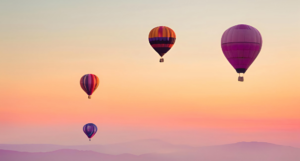
 1. Experience Paragliding in Bir Billing
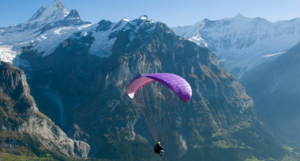
Bir Billing paragliding

Location: Bir Billing, Himachal Pradesh, India.

Bir Billing is internationally famous as one of the best paragliding destinations in the world. Surrounded by the Dhauladhar mountain ranges, this peaceful Himalayan town gained global recognition after hosting the Paragliding World Cup in 2015. Earlier known mainly for Buddhist monasteries and meditation centres, Bir has now become a major adventure tourism destination in India.

Why Visit

  • One of the world’s top paragliding sites
  • Stunning aerial views of valleys and forests
  • Peaceful mountain atmosphere
  • Popular among adventure lovers and backpackers

Food to Try: Travellers should try Tibetan momos, thukpa, pancakes, sandwiches, and cafe-style breakfasts in Bir.

 2. Explore the cafes of Old Manali
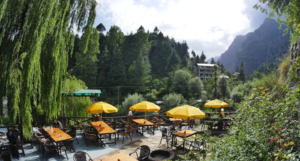
Cafes Old Manali

Location: Old Manali, Himachal Pradesh, India.

Old Manali is known for its relaxed mountain vibe, wooden houses, apple orchards, and scenic riverside cafes. Historically, the area remained a quiet Himalayan village before becoming popular among backpackers and international travellers. Today, it blends cafe culture, mountain scenery, and local Himachali charm.

Why Visit

  • Scenic cafes with mountain views
  • Relaxed and laid-back atmosphere
  • Great for cafe hopping and slow travel
  • Beautiful riverside surroundings

Food to Try: Wood-fired pizzas, trout fish, hot chocolate, waffles, and Himachali thalis.

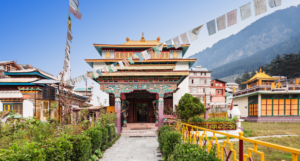
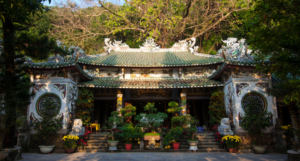
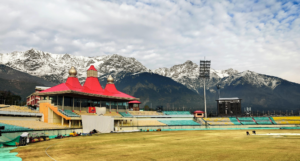
 3. Visit the Monasteries in Dharamshala
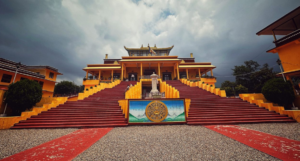
Dharamshala monastries

Location: Dharamshala, Himachal Pradesh, India.

Dharamshala became globally famous after His Holiness the Dalai Lama settled here in 1960, following exile from Tibet. The town is now considered the centre of Tibetan culture in India. Colourful monasteries, prayer flags, peaceful mountain views, and spiritual energy make Dharamshala one of Himachal Pradesh’s most unique destinations.

Why Visit

  • Strong Tibetan cultural influence
  • Beautiful monasteries and spiritual sites
  • Peaceful mountain surroundings
  • Scenic cafes and walking trails

Food to Try: Butter tea, Tibetan bread, momos, noodle soups, and thenthuk.

 4. Drive Through the Atal Tunnel
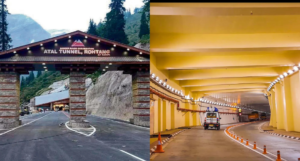
Atal Tunnel

Location: Near Manali, Himachal Pradesh, India.

The Atal Tunnel is one of India’s greatest engineering achievements and the world’s longest highway tunnel above 10,000 feet. Opened in 2020, it significantly reduced travel time between Manali and the Lahaul Valley. Driving through the tunnel surrounded by snowy mountains feels like a complete Himalayan adventure.

Why Visit

  • Scenic Himalayan road trip experience
  • Snow-covered mountain landscapes
  • Faster access to the Lahaul Valley
  • One of India’s iconic engineering marvels

Food to Try: Maggi, chai, local snacks, and roadside Himachali meals.

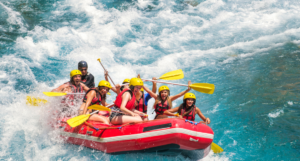
 5. Enjoy River Rafting in Kullu
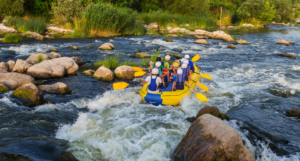
Kullu river rafting

Location: Kullu, Himachal Pradesh, India.

Kullu is famous for its scenic valleys, rivers, and adventure sports. River rafting on the Beas River has become one of the most exciting experiences here. Historically known as the “Valley of Gods,” Kullu also holds cultural significance due to its temples and ancient traditions.

Why Visit

  • Thrilling rafting experience in the Beas River
  • Beautiful valley scenery
  • Great for adventure seekers
  • Pleasant weather during the summer

Food to Try: Siddu, trout fish, rajma chawal, and local street snacks.

6. Walk Around Mall Road in Shimla
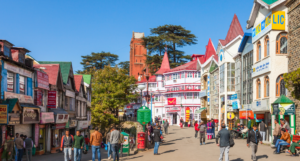
Mall Road in Shimla

Location: Shimla, Himachal Pradesh, India.

Shimla served as the Summer Capital of British India and still reflects strong colonial influence through its architecture and old-world charm. Mall Road remains the heart of the city with cafes, bakeries, churches, and local markets surrounded by scenic mountain views.

Why Visit

  • Colonial architecture and heritage charm
  • Scenic evening walks
  • Popular shopping and cafe destination
  • Pleasant weather and mountain views

Food to Try: Bun samosas, pastries, momos, coffee, and bakery items.

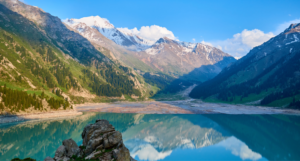
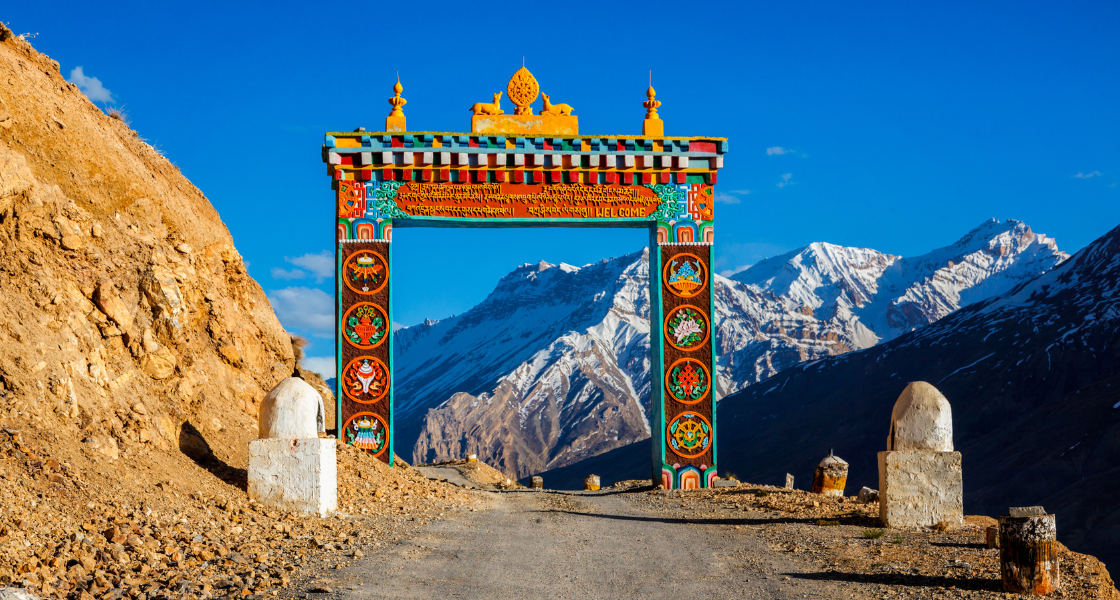
 7. Visit the Beautiful Spiti Valley
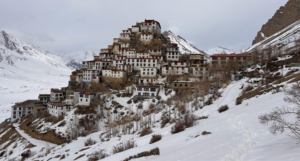
Spiti Valley

Location: Spiti Valley, Himachal Pradesh, India.

Spiti Valley is one of India’s most breathtaking cold desert regions, known for dramatic landscapes, ancient monasteries, and high-altitude villages. Historically, Spiti was an important trade route connecting India and Tibet. Even today, the valley feels untouched, raw, and incredibly peaceful.

Why Visit

  • Stunning cold desert landscapes
  • Ancient monasteries and villages
  • Scenic road trip destination
  • Ideal for adventure and photography

Food to Try: Thukpa, yak cheese dishes, momos, butter tea, and local Himalayan meals.

 8. Experience Snow Activities in Solang Valley
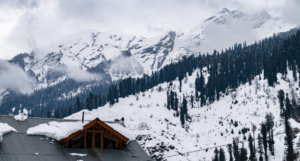
Solang Valley

Location: Solang Valley, Manali, Himachal Pradesh, India.

Solang Valley is one of Himachal Pradesh’s most famous adventure destinations. During winter, the valley transforms into a snowy playground for skiing, snowboarding, and snowmobiling. In summer, travellers enjoy ziplining, ATV rides, and scenic mountain activities.

Why Visit

  • Popular snow adventure destination
  • Stunning snow-covered scenery
  • Great for skiing and snowboarding
  • Adventure activities throughout the year

Food to Try: Hot momos, Maggi, tea, and cafe snacks.

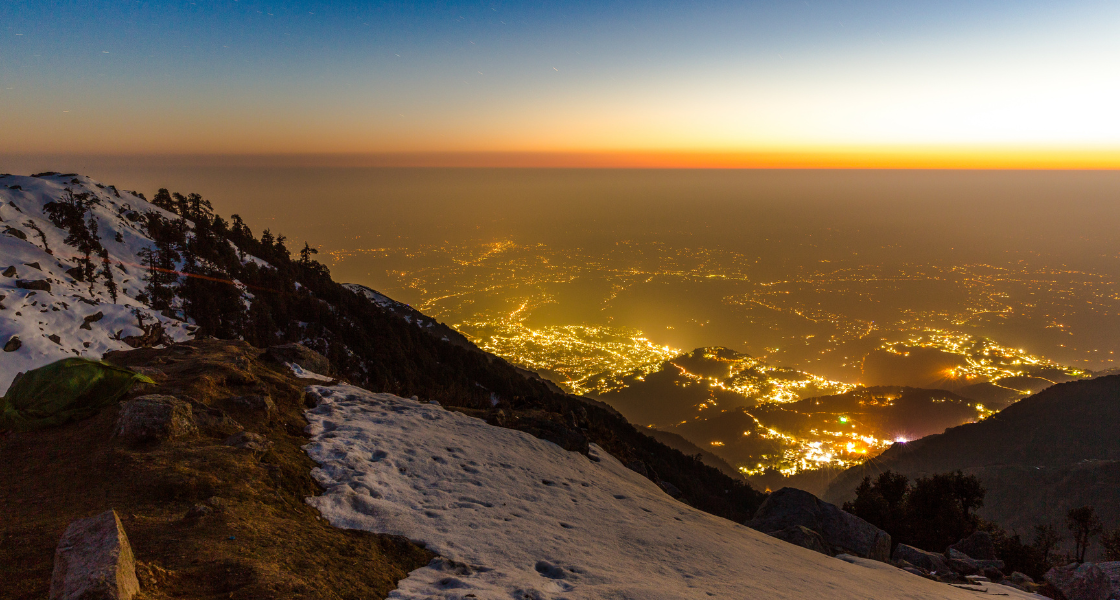
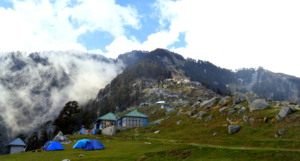
 9. Trek to Triund
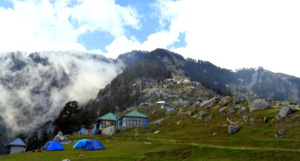
Trek to Triund

Location: Near McLeod Ganj, Himachal Pradesh, India.

Triund Trek is among the most popular beginner-friendly Himalayan treks in India. The trail passes through forests, scenic viewpoints, and mountain landscapes before opening to breathtaking views of the Dhauladhar ranges. Camping under the stars here feels magical.

Why Visit

  • Easy and scenic Himalayan trek
  • Stunning camping experience
  • Beautiful mountain and valley views
  • Ideal for nature lovers and trekkers

Food to Try: Simple cafe meals, Maggi, tea, and local snacks along the trail.

 10. Explore Kasol’s Riverside Vibes
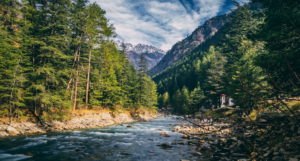
Kasol’s Riverside

Location: Kasol, Himachal Pradesh, India.

Kasol became popular among backpackers and Israeli travellers, earning the nickname “Mini Israel of India.” Located beside the Parvati River, the village is famous for riverside cafes, scenic trails, pine forests, and relaxed mountain life.

Why Visit

  • Scenic riverside setting
  • Relaxed cafe culture
  • Beautiful trekking routes nearby
  • Perfect for peaceful mountain stays

Food to Try: Israeli platters, shakshuka, hummus, trout fish, and cafe breakfasts.

 11. Ride the Kalka–Shimla Toy Train
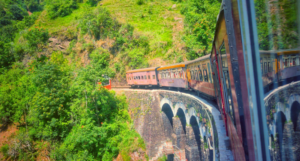
Shimla Toy Train

Location: Himachal Pradesh, India.

The Kalka–Shimla Toy Train is a UNESCO World Heritage attraction built during British rule in 1903. The route passes through more than 100 tunnels and scenic mountain landscapes, making it one of India’s most beautiful train journeys.

Why Visit

  • Historic UNESCO World Heritage journey
  • Scenic mountain train ride
  • Colonial-era engineering marvel
  • Beautiful valley and forest views

Food to Try: Chai, pakoras, bread omelettes, and local snacks during the journey.

 12. Visit Khajjiar – The Mini Switzerland of India
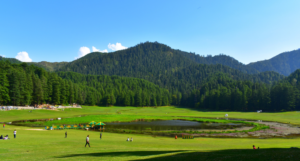
Khajjiar

Location: Khajjiar, Himachal Pradesh, India.

Khajjiar is often called the “Mini Switzerland of India” because of its lush green meadows and forest landscapes. The destination also holds spiritual importance due to the ancient Khajji Nag Temple dedicated to the serpent god.

Why Visit

  • Beautiful meadows and pine forests
  • Peaceful and scenic atmosphere
  • Great for photography and picnics
  • Ideal for family vacations

Food to Try: Himachali dham, rajma chawal, momos, and local sweets.

 13. Relax in the Pine Forests of Kasauli
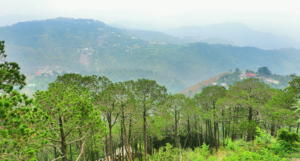
Pine Forests of Kasauli

Location: Kasauli, Himachal Pradesh, India.

Kasauli was developed as a British cantonment town in the 19th century and still carries colonial charm through its churches, old buildings, and peaceful roads. Surrounded by pine forests and cool weather, it remains one of Himachal’s most relaxing hill stations.

Why Visit

  • Quiet and less crowded hill station
  • Colonial-era atmosphere
  • Scenic pine forest views
  • Perfect for weekend getaways

Food to Try: Bakery items, bun samosas, hot chocolate, momos, and cafe breakfasts.

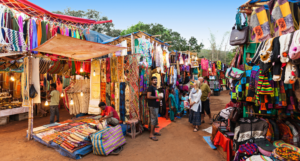
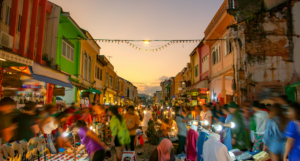
 14. Explore the Local Markets of Manali
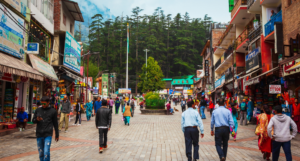
Local Markets of Manali

Location: Manali, Himachal Pradesh, India.

Manali’s local markets are famous for woollens, handicrafts, Tibetan items, handmade jewellery, and Himachali souvenirs. Historically, Manali was an important trading point on ancient Himalayan routes and remains one of India’s most visited mountain towns.

Why Visit

  • Great shopping experience
  • Local handicrafts and woollens
  • Vibrant cafes and market streets
  • Lively mountain atmosphere

Food to Try: Siddu, trout fish, cafe meals, and Himachali desserts.

 15. Watch the Sunset in Dalhousie
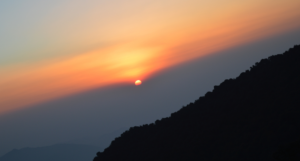
Dalhousie sunset

Location: Dalhousie, Himachal Pradesh, India.

Dalhousie was established by the British in 1854 as a summer retreat and still reflects colonial charm through old churches and heritage buildings. Surrounded by mountains and pine forests, the town is famous for peaceful sunsets and scenic beauty.

Why Visit

  • Calm and peaceful hill station
  • Beautiful sunset viewpoints
  • Colonial architecture and charm
  • Scenic mountain landscapes

Food to Try: Chana madra, momos, bakery snacks, and hot chai.

Travel Tips for Himachal Pradesh

  • Carry warm clothes even during summer, as mountain weather can change quickly.
  • Start road trips early to avoid traffic and enjoy better mountain views.
  • Wear comfortable shoes for trekking, sightseeing, and walking trails.
  • Keep cash handy for small cafes, local shops, and remote villages.
  • Check the weather and road conditions before travelling during the monsoon or winter seasons.

How to Reach Himachal Pradesh

  • By Air: Himachal Pradesh is connected through airports in Shimla, Dharamshala, Kullu-Manali, and Kangra. Travellers from major cities like Delhi, Mumbai, and Bangalore can easily reach popular destinations through connecting flights.
  • By Train: Railway stations like Kalka, Pathankot, and Chandigarh serve as the main rail gateways to Himachal Pradesh. The famous Kalka–Shimla Toy Train also offers one of India’s most scenic mountain train journeys.
  • By Road: Road trips are one of the best ways to explore Himachal Pradesh. Smooth highways, mountain roads, scenic valleys, and beautiful stopovers make driving from nearby cities like Delhi and Chandigarh a memorable experience.

Where to Stay in Himachal Pradesh

Travellers visiting the mountains often prefer luxury villas in Himachal Pradesh for their scenic locations, spacious interiors, and peaceful surroundings. Surrounded by forests, rivers, valleys, and snow-covered peaks, these stays offer a relaxing experience away from crowded tourist areas.

Families and groups also enjoy staying in private villas in Himachal Pradesh because they provide comfort, privacy, bonfires, mountain-view balconies, and cosy living areas perfect for long vacations and weekend escapes. Whether it’s Manali, Shimla, Dharamshala, Kasol, or Kasauli, mountain villas add a more peaceful and memorable touch to the overall Himachal travel experience.

FAQs About:- Things to Do in Himachal Pradesh

 1. What are the best things to do in Himachal Pradesh?

Paragliding, trekking, river rafting, skiing, café hopping, and road trips.

 2. What is the best time to visit Himachal Pradesh?

March to June for pleasant weather and December to February for snowfall.

 3. Which are the best adventure places in Himachal Pradesh?

Bir Billing, Solang Valley, Manali, Kullu, and Triund.

 4. Is Himachal Pradesh good for family trips?

Yes, places like Shimla, Manali, Dalhousie, and Khajjiar are family-friendly.

 5. Which places are best for snowfall in Himachal Pradesh?

Manali, Solang Valley, Shimla, Kufri, and Spiti Valley.

 6. What food is famous in Himachal Pradesh?

Siddu, Himachali dham, trout fish, momos, and thukpa.

 7. Which are the peaceful places in Himachal Pradesh?

Kasauli, Spiti Valley, Dharamshala, and Khajjiar.

 8. Are road trips in Himachal Pradesh worth it?

Yes, the state is famous for scenic mountain drives and valleys.

 9. Which are the best treks in Himachal Pradesh?

Triund Trek, Hampta Pass, and Kheerganga Trek.

 10. Where should travellers stay in Himachal Pradesh?

Luxury villas in Himachal Pradesh are popular for scenic and peaceful stays.
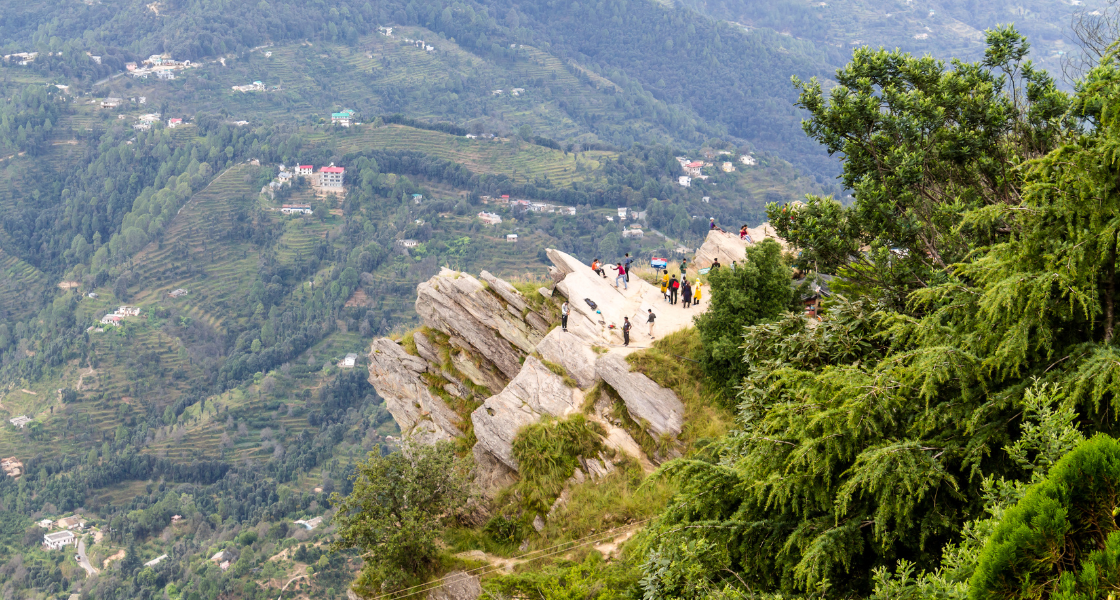
Best Time to Visit Mukteshwar for a Perfect Mountain Getaway

Mukteshwar is one of Uttarakhand’s most peaceful hill stations, known for its scenic mountain views, fresh air, apple orchards, and relaxing atmosphere. Located in the Kumaon Hills, this charming destination attracts travelers looking for a quiet escape away from crowded tourist spots.

Whether you are planning a romantic vacation, a family trip, a workcation, or a relaxing weekend in the mountains, knowing the best time to visit Mukteshwar can help you enjoy the destination even more.

From snowfall during winter to green landscapes in monsoon and pleasant weather in summer, every season in Mukteshwar offers a unique travel experience. Travelers planning a comfortable mountain stay also explore premium Villas in Mukteshwar for peaceful vacations surrounded by nature.

Why Mukteshwar is a Popular Hill Station

Hill Station Mukteshwar

Mukteshwar has become a favorite travel destination because of:

  • Beautiful Himalayan views
  • Peaceful environment
  • Pleasant weather throughout the year
  • Scenic cafes and orchards
  • Adventure and nature activities
  • Perfect weekend getaway atmosphere

Unlike crowded hill stations, Mukteshwar offers a calm and relaxing experience ideal for travelers looking to slow down and enjoy nature.

Best Time to Visit Mukteshwar by Season

Summer Season in Mukteshwar (March to June)

Summer Season in Mukteshwar

Summer is considered one of the best times to visit Mukteshwar. The weather remains cool and pleasant, making it perfect for sightseeing, outdoor activities, and peaceful mountain stays.

Temperature:- Approx. 15°C to 28°C

Why Visit During Summer?

  • Comfortable weather for sightseeing
  • Clear mountain views
  • Ideal for family vacations
  • Great time for nature walks and outdoor activities

Summer is also a popular season for travelers planning relaxing mountain vacations and weekend escapes.

Monsoon Season in Mukteshwar (July to September)

Monsoon Season in Mukteshwar

During monsoon, Mukteshwar transforms into a green paradise with misty hills, fresh air, and beautiful landscapes. This season is ideal for travelers who enjoy peaceful surroundings and scenic mountain views.

Temperature:- Approx. 17°C to 24°C

Why Visit During Monsoon?

  • Lush greenery and scenic beauty
  • Fewer crowds
  • Refreshing weather
  • Perfect for nature photography

Travelers should be careful while driving during heavy rainfall as mountain roads may become slippery.

Winter Season in Mukteshwar (October to February)

Winter Season in Mukteshwar

Winter is one of the most magical times to visit Mukteshwar, especially for travelers looking to experience cold weather and snowfall. The chilly atmosphere and stunning mountain views make it a perfect destination for cozy vacations.

Temperature:- Approx. 3°C to 15°C

Why Visit During Winter?

  • Chance to experience snowfall
  • Beautiful Himalayan views
  • Peaceful atmosphere
  • Perfect for couples and winter vacations

Many travelers prefer cozy mountain stays and private villas during winter for a more comfortable experience.

Best Month to Visit Mukteshwar

March to June:- Best for sightseeing, outdoor activities, and pleasant weather.

July to September:- Best for greenery, peaceful travel, and monsoon views.

October to February:- Best for winter vibes, cold weather, and possible snowfall experiences.

Places to Visit in Mukteshwar

Places to Visit in Mukteshwar

While visiting Mukteshwar, travelers can explore several scenic attractions including:

Mukteshwar Temple

A famous spiritual destination offering peaceful surroundings and mountain views.

Chauli Ki Jali

Known for adventure activities and breathtaking valley views.

Bhalu Gaad Waterfalls

A beautiful waterfall surrounded by forests and nature trails.

Sitla

A peaceful hill area near Mukteshwar known for scenic beauty and relaxing stays.

Indian Veterinary Research Institute

One of the oldest research institutes in India with beautiful colonial architecture.

Suggested Read: Places to Visit in Mukteshwar: 15 Scenic Attractions You Can’t Miss

Things to Do in Mukteshwar

Things to Do in Mukteshwar

  • Nature walks and hiking
  • Camping and bonfires
  • Photography and sightseeing
  • Enjoy local cafes and mountain views
  • Relaxing staycations in nature

Travelers looking for premium mountain experiences often prefer staying in peaceful accommodations away from crowded tourist areas.

Suggested Read: Things to do in Mukteshwar: A Peaceful Himalayan Escape

How to Reach Mukteshwar

By Air:- The nearest airport is Pantnagar Airport, located around 90 km from Mukteshwar.

By Train:- Kathgodam Railway Station is the nearest railway station, approximately 65 km away.

By Road:- Mukteshwar is well-connected by road from Delhi, Nainital, Almora, and nearby hill destinations.

Road trips to Mukteshwar are especially popular because of the scenic mountain routes and beautiful landscapes.

Travel Tips for Visiting Mukteshwar

Travel Tips

  • Carry warm clothes during winter months
  • Start road journeys early for safer hill driving
  • Keep comfortable shoes for walking and hiking
  • Book stays in advance during weekends and holidays
  • Carry basic medicines and essentials while traveling

For a more relaxing and private vacation experience, many travelers now prefer staying in Villas in Mukteshwar surrounded by peaceful mountain views.

Why Mukteshwar is Perfect for a Relaxing Getaway

Mukteshwar is ideal for travelers looking for:

  • Peaceful mountain vacations
  • Nature retreats
  • Romantic getaways
  • Family holidays
  • Luxury staycations
  • Work-from-mountains experiences

Its calm atmosphere and scenic beauty make it one of the best hidden hill destinations in Uttarakhand.

Final Thoughts on Visiting Mukteshwar

Mukteshwar is a destination that can be enjoyed throughout the year, with every season offering a different kind of beauty and experience. Whether you want clear mountain views during summer, lush greenery in monsoon, or cozy winter vibes with snowfall, Mukteshwar has something for every traveler.

For travelers planning a peaceful mountain vacation, premium stays and scenic Villas in Mukteshwar by ELIVAAS offer the perfect combination of comfort, privacy, and nature-filled surroundings for a memorable getaway experience.

FAQs About:- Best Time to Visit Mukteshwar

What is the best time to visit Mukteshwar?

The best time to visit Mukteshwar is from March to June for pleasant weather and from October to February for winter views and snowfall experiences.

Does Mukteshwar receive snowfall?

Yes, Mukteshwar experiences snowfall during peak winter months, mainly in December and January.

Is Mukteshwar good for family vacations?

Yes, Mukteshwar is perfect for family vacations because of its peaceful atmosphere, scenic beauty, and pleasant weather.

How many days are enough for Mukteshwar?

A 2 to 3-day trip is usually enough to explore Mukteshwar comfortably.

What are the best places to visit in Mukteshwar?

Popular attractions include Mukteshwar Temple, Chauli Ki Jali, Bhalu Gaad Waterfalls, and Sitla.

Is Mukteshwar better than Nainital for peaceful vacations?

Yes, Mukteshwar is less crowded and more peaceful compared to Nainital, making it ideal for relaxing trips.

What is the best time to see snowfall in Mukteshwar?

December and January are usually the best months to experience snowfall in Mukteshwar.

How can I reach Mukteshwar from Delhi?

Travelers can reach Mukteshwar by road, train, or flight via Kathgodam and Pantnagar.

Are luxury stays available in Mukteshwar?

Yes, travelers can find several premium stays and Villas in Mukteshwar offering mountain views, spacious rooms, and peaceful experiences.

Why are travelers choosing villas in Mukteshwar over hotels?

Many travelers prefer villas because they offer more privacy, scenic surroundings, spacious accommodations, and a more relaxing mountain vacation experience.

Things to Do in Karjat: Waterfalls, Treks & Nature Escapes

Surrounded by rolling green hills, misty valleys, and the untouched beauty of the Western Ghats, Karjat has become one of the most popular nature getaways near Mumbai and Pune. Things to Do in Karjat Waterfalls, Treks & Nature Escapes perfectly captures the charm of this peaceful destination, where nature, adventure, and slow living come together effortlessly. Once known as a quiet countryside town, Karjat is now a preferred escape for travellers seeking peace, privacy, and immersive nature experiences without compromising on comfort.

Karjat isn’t about rushing through crowded tourist spots. It’s about slowing down. Imagine waking up to birdsong instead of traffic, enjoying your morning coffee with a view, and spending your day exactly how you want, whether that means chasing waterfalls, trekking through forest trails, or simply relaxing in a luxury villa surrounded by greenery.

If you’re planning a weekend getaway or a longer retreat, this complete guide to the best things to do in Karjat will help you experience the destination in a calm, meaningful, and refreshing way.

What Are the Best Things to Do in Karjat

 1. Karjat’s Natural Beauty and Scenic Landscapes

Karjat Waterfall

One of the biggest reasons travellers visit Karjat is its scenic natural beauty. The region is filled with waterfalls, rivers, green valleys, open farmlands, and lush hills that look beautiful in every season.

  • Visit Waterfalls in Karjat

During the monsoon and post-monsoon months, the waterfalls in Karjat come alive. Cascading streams flow through rocky cliffs, surrounded by dense greenery and cool mountain air. These waterfalls are perfect for nature lovers, photographers, and travellers looking to experience Karjat at its most vibrant. Early mornings are the best time to visit, offering pleasant weather, fewer crowds, and soft natural light that enhances the beauty of the surroundings.

  • Spend Time by Rivers & Valleys

The peaceful Ulhas River adds to Karjat’s calm atmosphere. A riverside walk, relaxing by the water, or simply enjoying valley views from your villa can feel incredibly refreshing. Often, these quiet moments become the most memorable part of a Karjat getaway.

 2. Explore Trekking Trails in Karjat

Karjat trekking trails

Karjat serves as a gateway to the Sahyadri mountain range, making it a favourite destination for trekking and outdoor adventures.

  • Trekking Experiences for All Levels

From beginner-friendly trails to moderately challenging hikes, trekking in Karjat suits all kinds of travellers. Trails pass through forests, rocky paths, waterfalls, and scenic ridgelines with panoramic views of the surrounding hills and valleys. What makes trekking in Karjat special is the perfect mix of adventure and natural beauty. Every trail offers fresh mountain air, changing landscapes, and rewarding views.

  •  Best Time for Trekking in Karjat

The best time for trekking in Karjat is between September and February, when the weather is pleasant, and the landscape remains lush after the monsoon season.

 3. Experience Karjat during the monsoon

Karjat Monsoon

Monsoon transforms Karjat into a dreamlike destination. The hills turn deep green, clouds drift across valleys, and waterfalls flow at full strength. This is when Karjat feels most alive and peaceful at the same time. Rainy afternoons are perfect for indoor relaxation, while misty mornings create stunning views from luxury villas. For travellers who enjoy slow living and nature escapes, the monsoon season is one of the best times to visit Karjat.

 4. Wellness, Yoga & Slow Living Experiences

karjat yoga retreat

Karjat naturally encourages wellness and mindful living. The clean air, peaceful surroundings, and open landscapes make it an ideal destination for unwinding and recharging. Many travellers visit Karjat not to do more, but to slow down and reconnect with themselves. Popular wellness experiences in Karjat include:

  • Morning yoga with hill views
  • Meditation and breathwork sessions
  • Digital detox retreats
  • Nature walks and mindful outdoor experiences

 5. Discover Scenic Photography Spots

Karjat Photography

Karjat is a paradise for photographers and nature lovers alike. Whether you enjoy photography or appreciate natural beauty, Karjat offers picturesque views in every direction. Some of the most beautiful moments include:

  • Mist-covered hills at sunrise
  • Lush green valleys during the monsoon
  • Golden sunsets behind mountain ranges
  • Clear night skies away from city lights

 6. Peaceful Nights & Stargazing in Karjat

Karjat stargazing

Unlike crowded tourist destinations, Karjat offers calm, quiet, and truly restful nights. As the sun sets, the region falls completely silent, creating the perfect setting for bonfires, stargazing, and long, uninterrupted conversations under open skies. Away from city lights and noise, Karjat’s peaceful atmosphere allows travellers to relax, reconnect with nature, and enjoy a slower pace of life. This sense of calm is one of the biggest reasons people choose Karjat for a refreshing nature escape.

Who Should Visit Karjat

Karjat suits every kind of traveller, including:

  • Couples looking for romantic getaways
  • Families seeking spacious nature retreats
  • Groups planning private celebrations
  • Corporate teams organising offsite retreats
  • Wellness travellers focusing on relaxation and balance

Where to Stay in Karjat for a Nature Getaway

Staying in a private luxury villa is one of the best experiences in Karjat, especially for travellers who value privacy, comfort, and open spaces. ELIVAAS villas in Karjat combine premium amenities with curated hospitality, creating stays that feel both relaxing and memorable.

Why Choose a Luxury Villa Stay in Karjat: Luxury villas in Karjat are thoughtfully designed to blend with nature. Expect expansive lawns, private pools, outdoor seating areas, and large windows overlooking hills, forests, or farmlands.

  • Complete privacy away from crowds
  • Scenic views of hills and greenery
  • Ideal for families, couples, and groups
  • Perfect for celebrations, workcations, and wellness retreats

Local Food & Dining in Karjat

Maharashtrian Food

  • Karjat offers simple, fresh, and flavourful Maharashtrian food.
  • Local meals are often made with seasonal ingredients and traditional home-style recipes.
  • Must-try dishes in Karjat include Misal Pav, Vada Pav, Bhakri-Pithla, Chicken Sukka, and Maharashtrian Thali.
  • Fresh river fish dishes are also popular in local restaurants and village-style eateries.
  • During the monsoon, travellers especially enjoy hot pakoras and masala chai with scenic hill views.
  • Karjat also has cosy cafes serving homemade snacks, tea, and comfort food in peaceful natural settings.

Where to Shop in Karjat

Nauvari

  • Karjat APMC Market: Fresh fruits, vegetables, local spices, grains, and traditional Maharashtrian snacks.
  • Paras Collection Market: Sarees, ethnic wear, casual clothing, and festive outfits.
  • CT Bazaar Supermarket: Local food products, packaged snacks, groceries, and daily essentials.
  • Karjat Fish Market: Fresh river fish, seafood, and local fish preparations.
  • Kapadia Market: Handmade souvenirs, leather goods, handicrafts, chikki, and small local products.

FAQs About:- Things to Do in Karjat

1. What are the best things to do in Karjat?

The best things to do in Karjat include exploring waterfalls, trekking in the Sahyadri hills, enjoying nature walks, and relaxing in a private luxury villa surrounded by greenery.

2. Is Karjat a good weekend getaway from Mumbai and Pune?

Yes, Karjat is one of the most popular weekend getaways near Mumbai and Pune because of its easy accessibility, peaceful atmosphere, and scenic natural beauty.

3. What is Karjat famous for?

Karjat is famous for its waterfalls, trekking trails, lush valleys, monsoon landscapes, and luxury villa stays surrounded by nature.

4. Which are the best waterfalls to visit in Karjat?

Karjat has several seasonal waterfalls that are best visited during and after the monsoon. These spots are ideal for sightseeing, photography, and short nature outings.

5. Is Karjat suitable for a family trip?

Yes, Karjat is highly suitable for family vacations. Spacious luxury villas, peaceful surroundings, and outdoor nature experiences make it ideal for all age groups.

6. Is Karjat a good destination for couples?

Absolutely. Karjat is perfect for couples seeking privacy, scenic views, and peaceful stays. Luxury villas with private pools make it an ideal romantic getaway.
7. What is the best time to visit Karjat?

The best time to visit Karjat is from July to February. Monsoon brings greenery and waterfalls, while winter offers pleasant weather for outdoor activities and trekking.

8. Can beginners go trekking in Karjat?

Yes, Karjat offers beginner-friendly trekking trails along with moderate hikes suitable for experienced trekkers.

9. Are luxury villas in Karjat worth booking?

Yes, luxury villas in Karjat are worth booking for travellers who value privacy, comfort, spacious stays, and scenic natural surroundings.

10. What type of travellers is Karjat best suited for?

Karjat is ideal for couples, families, friend groups, wellness travellers, and corporate teams looking for a peaceful luxury escape close to the city.

11. Is Karjat better for a day trip or an overnight stay?

While Karjat can be explored as a day trip, an overnight or weekend stay allows travellers to fully enjoy its calm atmosphere, nature experiences, and luxury villa stays.

12. Why choose Karjat over other hill destinations near Mumbai?

Karjat offers the perfect balance of accessibility, natural beauty, privacy, and luxury experiences without the overcrowding often seen in popular hill stations.

Alibaug Beach Travel Guide: Best Time, Things to Do & Stay Near Beach

There’s something about Alibaug Beach that instantly makes you slow down. Maybe it’s the sound of the waves, the open shoreline, or the way the sunsets quietly take over the sky every evening. Just a few hours from Mumbai, Alibaug feels like a refreshing break from busy city life, a place where mornings start, sea breeze replaces traffic noise, and time feels a little less rushed. Whether you’re planning a quick weekend escape, a family trip, or simply craving a peaceful beach getaway, Alibaug offers the kind of calm that people keep coming back for.

Set along Maharashtra’s beautiful Konkan coast beside the Arabian Sea, Alibaug Beach blends coastal charm, local culture, and scenic beauty. From watching the historic Kolaba Fort rise out of the sea during low tide to enjoying fresh seafood at small beachside cafes, the experience here feels simple, authentic, and easy to enjoy. Over the years, Alibaug has become one of the most loved beach destinations near Mumbai because it offers the perfect mix of relaxation, nature, and comfort without needing a long vacation to get there. 

Location: Alibaug, Raigad district, Maharashtra

Coastline: Konkan Coast, Arabian Sea

Distance from Mumbai: Approx. 95 km

Why Alibaug Beach Is So Popular?

Why Alibaug

What makes Alibaug Beach stand out is its calm and balanced atmosphere. It’s not overly commercial, yet it has everything needed for a comfortable beach getaway. The beach feels spacious, the breeze is constant, and the overall vibe is much slower compared to busy city beaches.

One of the most unique sights here is the historic Kolaba Fort standing quietly in the sea. During sunset, the fort creates a beautiful backdrop against the orange sky, giving Alibaug Beach its signature charm. Travellers also love how easy the destination is for quick getaways from Mumbai and Pune without the exhaustion of long-distance travel.

Things to Do at Alibaug Beach

Kolaba fort

 1. Take a Relaxing Walk Along the Shore

A walk along Alibaug Beach is simple, calming, and refreshing. The wide shoreline gives you space to slow down while the sound of waves and cool sea breeze set a peaceful mood. Mornings feel quiet and fresh, while evenings bring a soft, golden glow as the beach slowly comes alive.

Why Visit:

  • To relax and unwind naturally
  • To enjoy the fresh sea breeze
  • To take peaceful beach walks
  • To escape city noise

 2. Watch the Sunset by the Arabian Sea

Sunsets at Alibaug Beach are truly special. The sky turns into shades of orange, pink, and gold as the sun dips into the Arabian Sea. With Kolaba Fort in the distance and waves gently touching the shore, the whole view feels warm and memorable.

Why Visit:

  • To see stunning Arabian Sea sunsets
  • To enjoy golden-hour views
  • To capture beautiful photos
  • To relax by the calm shoreline

 3. Visit the Historic Kolaba Fort

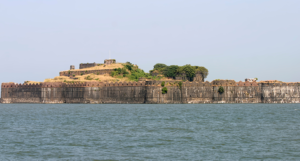
Kolaba Fort sits just off the coast and is accessible during low tide by walking through shallow water. Built during Shivaji Maharaj’s era, it features old stone walls, cannons, and sea-facing views that bring history alive.

Why Visit:

  • To explore a historic sea fort
  • To walk during the low tide adventure
  • To enjoy sea-facing views
  • To see ancient architecture

 4. Enjoy Local Food Near the Beach

Alibaug offers simple yet flavourful coastal food. From fresh-fried fish and spicy curries to Maharashtrian snacks, everything reflects local tastes. Coconut water and sol kadhi are perfect refreshers after a beach walk.

Why Visit:

  • To try fresh seafood dishes
  • To enjoy authentic local flavours
  • To taste Maharashtrian street food
  • To experience coastal cuisine

Souvenir Shopping Near Alibaug Beach

alibaug beach shopping

 1. Alibaug Bazaar

  • Shop for local handicrafts, footwear, and beachwear
  • Great for souvenirs and everyday coastal finds

 2. Mapro Garden & Local Stores

  • Famous for kokum products and homemade snacks
  • Ideal for edible souvenirs and local treats

 3. Mandwa Flea & Weekend Markets

  • Popular for boho accessories and shell decor
  • Perfect for trendy beach-style shopping

 4. Nagaon Beach Road Shops

  • Good for affordable beach essentials and clothing
  • Easy stop for quick local shopping

 5. Coastal Food & Spice Stores

  • Best place to buy Malvani spices and pickles
  • Perfect for authentic coastal food products

Best Time to Visit Alibaug Beach

alibaug beach best time to visit

 1. October to March

This is the best time to visit Alibaug Beach. The weather remains pleasant, the humidity is lower, and the sea stays calm, making it ideal for beach walks, sightseeing, and outdoor activities.

 2. April to May

Summers can feel warm during the afternoons, but mornings and evenings remain enjoyable. This is also a quieter time for travellers who prefer less crowded beaches.

 3. June to September (Monsoon)

Monsoon transforms Alibaug into a lush green coastal escape. While swimming is not recommended due to rough sea conditions, this season is perfect for slow travel, scenic drives, and peaceful stays.
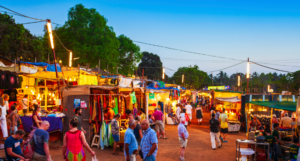
Alibaug Beach for Couples

Alibaug Beach Couples

Alibaug Beach is perfect for couples who enjoy quieter destinations over crowded tourist hotspots. Sunset walks, peaceful cafes, sea-facing views, and relaxed evenings create a naturally romantic atmosphere.

Many couples choose private villas and boutique stays near the beach to enjoy more privacy, comfort, and uninterrupted time together.

Alibaug Beach for Families

Alibaug Beach Families

Families love Alibaug Beach for its open spaces, relaxed pace, and nearby attractions suitable for all age groups. Children can play along the beach while adults enjoy the calm sea views and fresh air.

Places like Kolaba Fort, Varsoli Beach, and Nagaon Beach make it easy to plan short day outings without long travel times.

Tourist Places Near Alibaug Beach

Mandwa Jetty

 1. Kolaba Fort: A historic sea fort known for beautiful coastal views and Maratha history.

 2. Varsoli Beach: A quieter beach ideal for peaceful walks and less crowded sunsets.

 3. Nagaon Beach: Popular for water sports, banana rides, and beachside cafes.

 4. Mandwa Jetty: The main ferry point connecting Mumbai to Alibaug, with scenic sea views during the ride.

How to Reach Alibaug Beach

Journey to Goa

From Mumbai: Take a ferry from Gateway of India to Mandwa Jetty, followed by a short road transfer. Or drive via Pen, which usually takes around 3–4 hours depending on traffic.

From Pune: Drive via NH48, which takes approximately 4–5 hours by road. Alibaug’s easy connectivity makes it one of the most convenient beach getaways near Mumbai and Pune.

Where to Stay Near Alibaug Beach

To fully enjoy Alibaug’s peaceful coastal charm, choosing the right stay makes all the difference. Many travellers now prefer luxury villas in Alibaug for their space, privacy, and comfort compared to crowded hotels.

These private villas are designed to blend seamlessly with the laid-back coastal vibe of the region. After a day spent exploring beaches, watching sunsets, or visiting nearby attractions, returning to a calm, beautifully designed villa surrounded by greenery makes the entire experience feel more relaxed, personal, and truly refreshing.

What makes these stays even more special is the slow rhythm they encourage—lazy mornings, open spaces, and quiet evenings that let you truly disconnect. It’s not just accommodation, but a complete coastal lifestyle experience that elevates your Alibaug getaway.

FAQs About:- Alibaug Beach Travel Guide

 1. Where is Alibaug Beach located?

Alibaug Beach is located in Alibaug town, Raigad district, Maharashtra, along the scenic Konkan coast of the Arabian Sea, making it an easily accessible coastal getaway near Mumbai.

 2. What is Alibaug Beach famous for?

Alibaug Beach is famous for its peaceful seaside atmosphere, stunning Arabian Sea sunsets, black sand shoreline, and iconic views of Kolaba Fort.

 3. What is the best time to visit Alibaug Beach?

The best time to visit Alibaug Beach is from October to March, when the weather is pleasant, the humidity is low, and the sea remains calm for beach activities and sightseeing.

 4. Is Alibaug Beach good for weekend trips?

Yes, Alibaug Beach is one of the most popular weekend getaways near Mumbai and Pune, offering a quick escape into nature, beaches, and relaxed coastal living.

 5. Can families visit Alibaug Beach?

Absolutely, Alibaug Beach is family-friendly with open spaces, safe surroundings, and nearby attractions like Kolaba Fort, Varsoli Beach, and Nagaon Beach.

 6. Is swimming allowed at Alibaug Beach?

Swimming at Alibaug Beach depends on tide and sea conditions, so visitors are advised to follow local safety guidelines and avoid entering the water during rough seas or the monsoon.

 7. How far is Alibaug Beach from Mumbai?

Alibaug Beach is approximately 95 km from Mumbai and can be reached via ferry from Gateway of India to Mandwa Jetty or by road through Pen.

 8. Are there tourist places near Alibaug Beach?

Yes, popular tourist attractions near Alibaug Beach include Kolaba Fort, Varsoli Beach, Nagaon Beach, and Mandwa Jetty, making it ideal for a short coastal itinerary.

 9. Is Alibaug Beach crowded?

Alibaug Beach can get crowded on weekends and public holidays, while weekdays, early mornings, and off-season months offer a much quieter experience.

 10. How many days are enough for Alibaug Beach?

A 1–2-day trip is ideal for exploring Alibaug Beach comfortably, along with nearby attractions, local food, and a relaxed coastal stay experience.

Jim Corbett National Park Travel Guide: Explore In Style

There’s something wild about Jim Corbett, quite literally. Home to India’s oldest national park, Jim Corbett National Park is where dense forests, riverbanks, and thrilling wildlife sightings come together to create an unforgettable escape. Originally established in 1936 as Hailey National Park, it was later renamed after legendary conservationist Jim Corbett, whose efforts helped shape wildlife protection in India. From Bengal tigers and wild elephants to over 600 species of birds, the park is a paradise for nature lovers, proving that here, the “mane” attraction is much more than just the tiger.

Beyond safaris and jungle trails, Jim Corbett has also become a favourite among travellers seeking peaceful, luxurious stays surrounded by nature. Riverside mornings, misty forest views, bonfire evenings, and private farmhouse experiences make the destination feel both adventurous and relaxing. Whether it’s a quick weekend getaway or a long nature retreat, Corbett offers the perfect balance of wilderness, comfort, and slow travel.

Best Time to Visit Jim Corbett National Park

Best Time to Visit Jim Corbett National Park

The ideal time to visit depends on the kind of experience you want.

  • Winter (November to February): Winter is considered one of the best seasons to explore Corbett. The weather remains cool and pleasant, making jungle safaris comfortable and enjoyable. This is also a great time for birdwatching as migratory birds arrive during these months.
  • Summer (March to June): Summer is perfect for wildlife sightings, especially tiger spotting, as animals often come near water bodies. Early morning safaris during this season can be especially rewarding.
  • Monsoon (July to September): Parts of the park remain closed during the monsoon due to heavy rainfall, but the surrounding landscapes become incredibly lush and scenic. If you enjoy peaceful stays surrounded by greenery, this season has its own charm.

Zones in Jim Corbett National Park

Zones in Jim Corbett National Park

Jim Corbett National Park is divided into multiple tourism zones, each offering a different experience.

  • Dhikala Zone: The most popular and largest zone in the park, Dhikala, is famous for grasslands, dense forests, and excellent tiger sightings. Staying overnight here offers a truly immersive jungle experience.
  • Bijrani Zone: Known for its scenic beauty and wildlife activity, Bijrani is one of the most visited safari zones and is ideal for first-time visitors.
  • Jhirna Zone: Open throughout the year, Jhirna is known for sightings of wild elephants, deer, and sloth bears.
  • Dhela Zone: A relatively newer zone, Dhela offers peaceful safari experiences with beautiful forest landscapes. Durga Devi Zone: Perfect for birdwatchers and nature lovers, this zone features hilly terrain, river streams, and dense forests.

Things to Do in Jim Corbett National Park

Kosi River_ Things to Do in Jim Corbett National Park

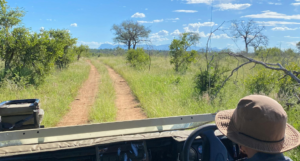
  • Go on a Jungle Safari: Experience the thrill of exploring dense forests and spotting wildlife like Bengal tigers, elephants, deer, and exotic birds in their natural habitat.
  • Enjoy Riverside Experiences: Spend peaceful moments by the Kosi River with scenic walks, relaxing views, and calm evenings surrounded by nature.
  • Birdwatching: Discover hundreds of bird species, including hornbills, kingfishers, woodpeckers, and migratory birds across Corbett’s rich landscapes.
  • Nature Walks & Forest Trails: Explore quiet jungle paths and lush greenery through guided walks that bring you closer to Corbett’s natural beauty.
  • Visit Garjia Devi Temple: Located on a rock amidst the Kosi River, this famous temple offers spiritual charm along with beautiful river views.
  • Explore Corbett Museum: Step into the former home of Jim Corbett and learn about his life, wildlife stories, and conservation efforts.

Best Places to Visit Near Jim Corbett

Corbett Waterfall

  • Sitabani Forest Reserve: Known for its scenic forest trails and mythological connections, Sitabani is ideal for nature lovers and birdwatchers.
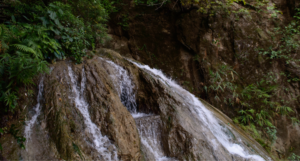
  • Corbett Waterfall: Surrounded by dense teak forests, this peaceful waterfall is perfect for short nature breaks and photography.
  • Kosi River: The serene riverbanks offer beautiful sunset views, picnic spots, and a relaxing escape close to nature.

Farmhouses in Jim Corbett for a Luxurious Nature Escape

For travellers looking to enjoy nature without compromising on comfort, luxury farmhouses in Jim Corbett National Park offer the perfect stay experience. Properties like Farm Naturelle – 3-BHK Farmhouse in Jim Corbett combine peaceful forest surroundings with modern comforts such as spacious interiors, private outdoor spaces, scenic views, and relaxing bonfire evenings. Ideal for families, couples, and groups, these farmhouses provide a more private and refreshing alternative to traditional hotel stays.

What to Eat in Jim Corbett

Eat in Jim Corbett

The food scene around Jim Corbett combines North Indian comfort food with local Kumaoni flavours. Some dishes worth trying include: Aloo Ke Gutke, Bhatt Ki Churkani, Kumaoni Raita, Kafuli, Grilled river-side snacks, Fresh parathas and chai during winter mornings.

Many luxury stays also offer outdoor dining experiences, barbecue nights, and local cuisine tasting sessions.

Shopping in Jim Corbett

ramnagar market jim corbett

While Corbett is primarily a nature destination, local markets around Ramnagar offer handmade souvenirs and regional products. Things to buy: Handmade candles, Organic products, Local spices, Wooden handicrafts, Woollens and shawls, and Wildlife-themed souvenirs.

The small local shops around Ramnagar and nearby areas are ideal for picking up memorable keepsakes from your trip.

Travel Tips for Visiting Jim Corbett

Travel Tips for Visiting Jim Corbett

  • Book safaris in advance, especially during weekends and peak seasons.
  • Carry neutral-coloured clothing for safari experiences.
  • Early morning safaris usually offer better wildlife sightings.
  • Keep binoculars and cameras ready at all times.
  • Respect forest rules and avoid loud noises during safaris.
  • Choose a stay close to your preferred safari zone for convenience.

How to Reach Jim Corbett National Park

  • By Road: Jim Corbett is well connected by road from Delhi, Dehradun, and nearby North Indian cities. A road trip to Corbett is scenic and comfortable, especially during winter and monsoon.
  • By Train: The nearest railway station is Ramnagar Railway Station, which is connected to major cities, including Delhi.
  • By Air: The nearest airport is Pantnagar Airport, located around 80 kilometres away from the park.

Why Jim Corbett Is Perfect for Every Kind of Traveller

What makes Jim Corbett truly special is its versatility. Wildlife enthusiasts come here for tiger safaris, photographers for misty forests and rare birds, couples for peaceful luxury stays, and families for nature-filled vacations. The destination offers both adventure and relaxation without feeling rushed or overcrowded.

You can spend your mornings exploring the jungle, afternoons relaxing beside a private pool, and evenings enjoying riverside dinners under open skies. Very few destinations in India offer this balance of wilderness and comfort so naturally.

FAQs About:- Jim Corbett National Park Travel Guide

 1. What is the best time to visit Jim Corbett National Park?

The best time to visit Jim Corbett National Park is from November to June, when the weather is pleasant, and wildlife sightings are more frequent.

 2. Where should you stay in Jim Corbett?

Travellers can choose from luxury resorts, riverside stays, and private farmhouses near Jim Corbett for a peaceful and comfortable nature escape.

 3. Is the jungle safari in Jim Corbett worth it?

Yes, a jungle safari in Jim Corbett is one of the top experiences for wildlife lovers, offering chances to spot Bengal tigers, elephants, deer, crocodiles, and exotic birds.

 4. How can I book a safari in Jim Corbett National Park?

Jim Corbett safari bookings can be made online in advance through authorised forest booking platforms or through resorts and travel operators.

 5. Which is the best zone in Jim Corbett for tiger sightings?

Dhikala and Bijrani Zones are considered among the best safari zones in Jim Corbett for tiger sightings and scenic jungle experiences.

 6. Are luxury farmhouses available near Jim Corbett National Park?

Yes, travellers can find several luxury farmhouses near Jim Corbett that offer private pools, forest views, bonfire spaces, and peaceful nature stays.

 7. How many days are enough for a Jim Corbett trip?

A 2 to 3-day trip is usually ideal to enjoy jungle safaris, riverside experiences, sightseeing, and relaxing farmhouse stays around Corbett.

 8. What are the top places to visit near Jim Corbett?

Popular places to visit near Jim Corbett include Garjia Devi Temple, Corbett Waterfall, Sitabani Forest Reserve, and the scenic Kosi River.

 9. Is Jim Corbett good for family vacations?

Yes, Jim Corbett is perfect for family vacations with its mix of wildlife safaris, riverside activities, nature walks, and spacious luxury stays.

 10. Why is Jim Corbett National Park famous?

Jim Corbett National Park is famous for being India’s oldest national park, its rich wildlife population, Bengal tiger sightings, scenic forests, and adventure-filled safari experiences.

Things to Do in Rishikesh: 15 Must-Visit Attractions & Activities

Rishikesh, located in the foothills of the Himalayas in Uttarakhand, sits along the sacred Ganges River and is one of India’s most iconic destinations for adventure and spirituality. Known as the Yoga Capital of the World, this vibrant town blends river rafting, yoga retreats, scenic temples, forest trails, and luxury riverside stays into one unforgettable travel experience.

The top things to do in Rishikesh include river rafting in Shivpuri, attending Ganga Aarti at Triveni Ghat, walking across Laxman Jhula and Ram Jhula, visiting Beatles Ashram, joining yoga retreats in Tapovan, trekking to Kunjapuri Temple, exploring Rajaji National Park, and staying in luxury villas surrounded by Himalayan views.

Whether you’re planning a weekend getaway from Delhi NCR, a spiritual retreat, a corporate offsite, or a relaxing luxury escape, here are the 15 best places and experiences in Rishikesh.

Locations Covered in This Rishikesh Travel Guide

 1. River Rafting – Ganges

 2. Triveni Ghat (Ganga Aarti)

 3. Laxman Jhula

 4. Ram Jhula

 5. The Beatles Ashram

 6. Bungee Jumping

 7. Yoga/Meditation Retreat

 8. Neer Garh Waterfall

 9. Neelkanth Mahadev Temple

 10. Riverside Camping

 11. Riverside Cafes

 12. Kunjapuri Temple (Sunrise Trek)

 13. Kayaking & Cliff Jumping

 14. Parmarth Niketan Ashram

 15. Rajaji National Park

From thrilling adventure activities and peaceful riverside experiences to spiritual landmarks and scenic nature spots, this guide covers some of the best places to explore in Rishikesh. Whether you are visiting for yoga, adventure, relaxation, or a soulful mountain escape, these experiences showcase the true charm of the Yoga Capital of the World.

 1. River Rafting – Ganges

Rishikesh River Rafting

Location: Shivpuri, Brahmpuri & Marine Drive

River rafting is the heartbeat of adventure activities in Rishikesh. The Ganges offers rapids ranging from beginner-friendly stretches in Brahmpuri to more thrilling routes starting at Marine Drive. Shivpuri is the most popular starting point, attracting both first-time rafters and experienced adventure seekers. The rafting season typically runs from September to June, when water levels are safe yet exciting.

 2. Triveni Ghat (Ganga Aarti)

Ganga Aarti, Triveni Ghat, Rishikesh

Location: Main Town Rishikesh

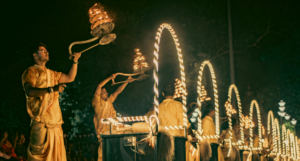
Every evening at sunset, Triveni Ghat hosts a spiritual Ganga Aarti ceremony. Priests perform rituals with lamps while devotional chants echo across the riverbank. The glowing diyas floating on the Ganges create a serene and powerful atmosphere. Arriving 30 minutes before sunset ensures a better view and a peaceful experience.

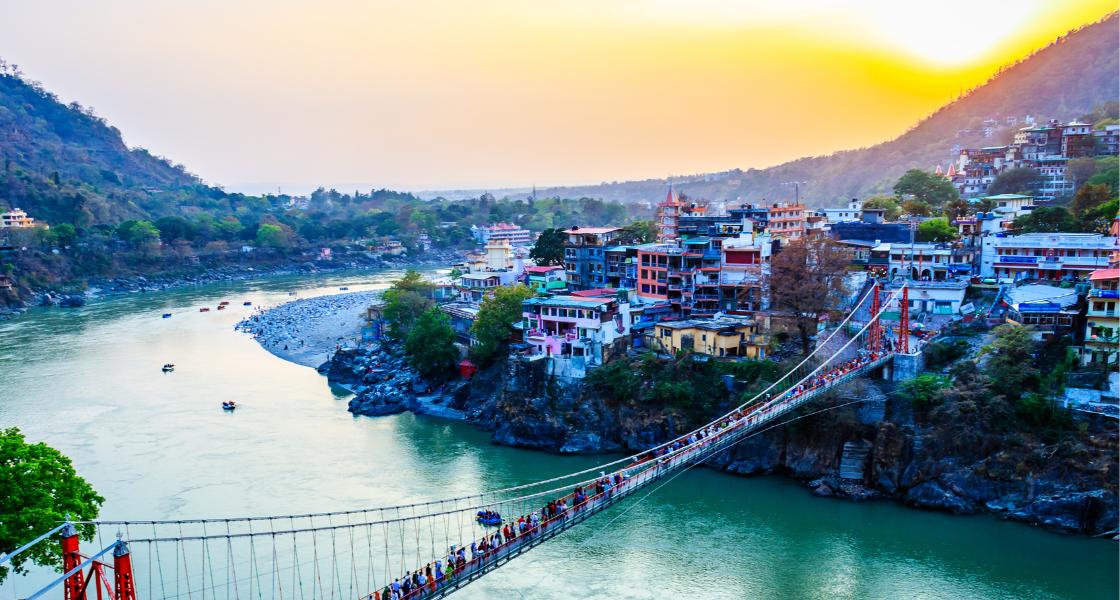
 3. Laxman Jhula

Laxman Jhula

Location: Tapovan Area

One of the most iconic landmarks in Rishikesh, Laxman Jhula is a suspension bridge that offers stunning views of the Ganges and the surrounding hills. The area around the bridge is lively, filled with cosy cafes, yoga centres, temples, and local shops, making it perfect for slow walks and riverside evenings.

 4. Ram Jhula

Ram Jhula

Location: Ram Jhula Area

Ram Jhula is known for its calmer and more spiritual atmosphere, connecting several famous ashrams and ghats along the Ganges. A peaceful walk across the bridge during sunrise or sunset lets you soak in beautiful river views, temple chants, and the relaxed charm that defines Rishikesh.

5. The Beatles Ashram

Beatles Ashram

Location: Swarg Ashram Area (Inside Rajaji Reserve)

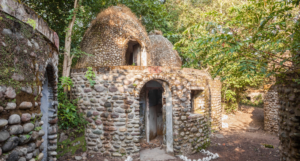
Also known as Maharishi Mahesh Yogi Ashram, this peaceful retreat gained global recognition after The Beatles stayed here in 1968. Today, visitors explore meditation domes, artistic graffiti walls, and forest trails. It’s one of the best places to visit in Rishikesh for photography and quiet reflection.

 6. Bungee Jumping

Bungee Jumping, Rishikesh

Location: Mohan Chatti Village

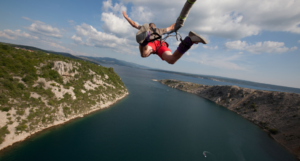
Mohan Chatti is home to India’s highest bungee jumping platform at 83 meters. Operated under strict safety standards, this adrenaline-pumping activity is a must-try for thrill seekers. You can also try the Giant Swing and Flying Fox for added excitement.

 7. Yoga/Meditation Retreat

Yoga_Meditation Retreat rishikesh

Location: Tapovan, Parmarth Niketan & Sivananda Ashram

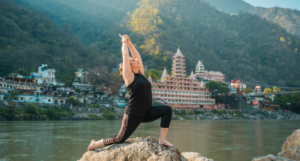
Rishikesh is globally recognised as the Yoga Capital of the World. Visitors can join daily yoga classes, week-long retreats, or certified teacher training programs. Practising yoga by the river in a serene Himalayan setting is an experience that draws travellers from around the globe.

 8. Neer Garh Waterfall

Neer Garh Waterfall

Location: 5 km from Laxman Jhula

A short trek through lush greenery leads to Neer Garh Waterfall. The natural pools are ideal for relaxing dips, especially during warmer months. Visiting early in the morning helps avoid crowds and enhances the peaceful experience.

 9. Neelkanth Mahadev Temple

Neelkanth Mahadev Temple

Location: 30 km from Rishikesh, Pauri Garhwal

This ancient temple dedicated to Lord Shiva sits amidst scenic hills and forests. The drive to Neelkanth Mahadev Temple offers beautiful valley views, making the journey as rewarding as the destination.

 10. Riverside Camping

riverside camping in rishikesh

Location: Shivpuri & Marine Drive

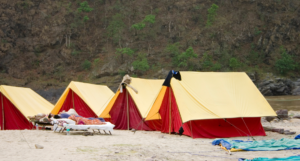
Camping near the Ganges is popular among groups and adventure travellers. Bonfires, stargazing, and proximity to rafting routes make it exciting. However, travellers looking for more privacy and comfort often prefer staying in private villas instead of tents.

11. Riverside Cafes

Riverside Cafes Rishikesh

Location: Tapovan & Laxman Jhula Area

Rishikesh has a vibrant cafe culture. Popular spots like Little Buddha Cafe and The 60’s Cafe offer river views and international cuisine. These cafes are perfect for relaxed afternoons after exploring the city.

12. Kunjapuri Temple (Sunrise Trek)

kunjapuri temple rishikesh

Location: Near Narendra Nagar

Situated at 1,676 meters above sea level, Kunjapuri Temple offers breathtaking sunrise views of Himalayan peaks like Chaukhamba. Visitors can either trek or drive to the top for panoramic mountain scenery.

13. Kayaking & Cliff Jumping

Kayaking & Cliff Jumping

Location: Shivpuri Stretch, Ganges River

Kayaking allows you to navigate calmer sections of the river, while cliff jumping adds an extra thrill. These activities are often included in rafting packages and supervised by trained guides.

14. Parmarth Niketan Ashram

parmarth niketan ashram rishikesh

Location: Ram Jhula Area

Parmarth Niketan is one of the largest ashrams in Rishikesh and hosts the annual International Yoga Festival. Its serene campus and spiritual environment make it one of the most peaceful places in the city.

15. Rajaji National Park

Rajaji National Park

Location: 15–20 km from Rishikesh

Rajaji National Park is home to elephants, leopards, deer, and over 300 bird species. Jeep safaris offer a chance to experience Uttarakhand’s rich biodiversity.

Where to Stay in Rishikesh

After exploring waterfalls, temples, and adventure activities, your accommodation becomes a crucial part of your travel experience.

ELIVAAS Luxury Villas in Rishikesh offer a premium alternative to crowded hotels and camps. Ideal for families, couples, celebration trips, and corporate off-sites, these villas provide private spaces, modern amenities, and scenic mountain surroundings. Staying in a luxury villa ensures both comfort and exclusivity during your Himalayan getaway.

For a truly elevated stay, booking a Luxury Villa in Rishikesh with ELIVAAS ensures privacy, comfort, and scenic beauty – transforming your trip into a memorable Himalayan escape.

Best Time to Visit Rishikesh

  • October to March: Pleasant weather and ideal sightseeing
  • April to June: Perfect for rafting and adventure activities
  • July to August: Monsoon season with lush green landscapes

FAQs About:- Things to Do in Rishikesh

 1. What are the best things to do in Rishikesh?

The best things to do in Rishikesh include river rafting in Shivpuri, attending Ganga Aarti at Triveni Ghat, exploring Laxman Jhula and Ram Jhula, visiting Beatles Ashram, joining yoga retreats, trekking to Kunjapuri Temple, and enjoying wildlife safaris at Rajaji National Park.

 2. How many days are enough for Rishikesh?

A 2–3 day trip is ideal to cover major attractions and adventure activities comfortably. This duration allows you to balance sightseeing, rafting, yoga sessions, and relaxation without rushing your itinerary.

 3. Is Rishikesh good for a weekend trip from Delhi?

Yes, Rishikesh is one of the most popular weekend getaways from Delhi NCR. Located about 5–6 hours away by road, it offers a mix of adventure, spirituality, scenic views, and premium stays.

 4. Which area is best to stay in Rishikesh?

Tapovan is lively and close to cafes and yoga centres, while Shivpuri is ideal for adventure lovers. Travellers seeking privacy and comfort often prefer luxury villas slightly away from crowded zones.

 5. Is rafting safe in Rishikesh?

Yes, rafting in Rishikesh is safe when done with certified operators who provide safety gear and trained guides. Always follow instructions carefully during the activity.

 6. Are there luxury stays in Rishikesh?

Yes, Rishikesh offers premium hotels and luxury villas. ELIVAAS Luxury Villas provide private, spacious, and comfortable accommodations ideal for families and groups.

 7. Is Rishikesh safe for couples?

Rishikesh is generally safe and tourist-friendly. Couples frequently visit for weekend trips, yoga retreats, and peaceful stays.
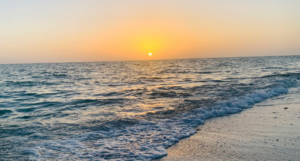
 8. Can I visit Rishikesh without adventure sports?

Absolutely. Many visitors come for yoga, meditation, temple visits, and scenic relaxation rather than adventure activities.
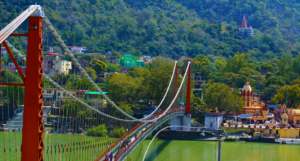
 9. What makes Rishikesh famous worldwide?
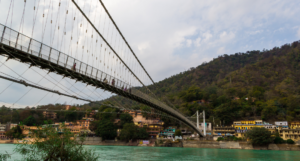
Rishikesh is famous for being the Yoga Capital of the World, for its river rafting experiences, spiritual heritage, and its association with The Beatles.
 10. What should I pack for Rishikesh?
Pack comfortable clothing, walking shoes, sunscreen, and light woollens during winter. Adventure activities may require quick-dry clothes.

 11. Is alcohol allowed in Rishikesh?

Rishikesh is officially considered a spiritual town, and alcohol availability is restricted in several areas.

 12. When is the best time to visit Rishikesh?

October to March is generally considered the best time due to pleasant weather, though adventure activities are popular from September to June.

Things to do in Mukteshwar: A Peaceful Himalayan Escape

There’s a certain kind of quiet you only find in the mountains, and Mukteshwar captures it effortlessly. Perched high above the chaos, this hill town isn’t about ticking off crowded attractions. It’s about slowing down, breathing deeper, and letting the views do the talking. From cliffside viewpoints and forest trails to hidden waterfalls and peaceful villages, the things to do in Mukteshwar are less about rushing and more about truly experiencing the place. Every turn here feels unfiltered, every moment a little more intentional.

What makes it special is how naturally it draws you in. One minute you’re chasing sunsets, the next you’re sipping chai with the Himalayas quietly stretching in front of you. The things to do in Mukteshwar don’t just fill your itinerary, it also shape your mood, your pace, and your entire trip. And honestly, this is one destination where you don’t just check places off your list, you check out of the chaos instead.

Things to do in Mukteshwar

 1. Chauli ki Jali

 2. Mukteshwar Temple

 3. Indian Veterinary Research Institute Mukteshwar Campus

 4. Sitla View Point

 5. Mukteshwar Inspection Bungalow

 6. Bhalu Gaad Waterfall

 7. Ramgarh Orchards

 8. Sunset Point Mukteshwar

 9. Letibunga Village

 10. Peora Village

From peaceful temples and scenic viewpoints to hidden waterfalls and charming mountain villages, these places showcase the calm and natural beauty of Mukteshwar. Whether you are looking for adventure, photography spots, nature walks, or quiet moments in the hills, each destination offers a unique experience worth exploring.

 1. Chauli ki Jali

Chauli ki Jali mukteshwar

Location: Mukteshwar, Nainital, Uttarakhand, India.

There’s something raw and powerful about Chauli Ki Jali. The wind is stronger, the drops are steeper, and the silence feels deeper. Locals tie it to old legends of divine battles, but even without the stories, the place has a certain energy that you feel small in the best way possible.

Things to do:

  • Chase sunrise & sunset views
  • Try rappelling off the cliffs
  • Snap dramatic mountain shots
  • Walk the ridge

What to Eat: There are no cafés here, so the best way to enjoy food is by carrying a scenic picnic, think croissants, sandwiches, fresh fruits, and maybe some cheese with crackers, paired with a flask of hot coffee or chocolate to enjoy against the dramatic cliff views.

 2. Mukteshwar Temple

mukteshwar temple uttarakhand

Location: Mukteshwar, Darima, Uttarakhand, India.

This is where Mukteshwar slows you down. Whether you come for faith or just the views, the atmosphere has a quiet pull. The bells, the chants, and the open skies all blend into a moment that feels simple but meaningful.

Things to do:

  • Offer prayers
  • Catch Himalayan views
  • Sit through aarti
  • Walk the temple trail
  • Grab chai from nearby stalls

What to Eat: After your visit, you can stop by nearby stalls for a comforting local bite, hot aloo parathas with butter, poori-sabzi, steaming chai, and simple snacks like bun-maska or Maggi that somehow taste better in the mountains.

 3. Indian Veterinary Research Institute Mukteshwar Campus

Indian Veterinary Research Institute Mukteshwar Campus

Location: Mukteshwar, Nainital District, Uttarakhand, India.

There’s a stillness here that feels preserved. Built during British times, the campus has an old-world charm that hasn’t been rushed or modernised. It’s less about sightseeing and more about absorbing the calm.

Things to do:

  • Walk past colonial buildings
  • Soak in forest views
  • Quiet photography stroll
  • Carry a light picnic

What to Eat: Since there are no eateries inside, carrying a meal inspired by local flavours like theplas or rotis with bhang ki chutney, boiled potatoes tossed in pahadi spices, or homemade sweets like singori fits perfectly with the quiet setting.

 4. Sitla View Point

Sitla View Point

Location: Nainital District, Kumaon Region, Uttarakhand, India.

Sitla feels untouched. No crowds, no chaos and just open skies and quiet mountains. It’s the kind of place where you don’t feel the need to do much, and that’s exactly the point.

Things to do:

  • Watch sunrise/sunset in silence
  • Slow nature walks
  • Click Himalayan panoramas
  • Enjoy a peaceful breakfast picnic

What to Eat: A slow breakfast here feels most authentic with mandua roti, fresh white butter, pahadi aloo sabzi, and a warm cup of herbal tea made with local herbs, enjoyed as the mountains gradually light up.

 5. Mukteshwar Inspection Bungalow

Mukteshwar Inspection Bungalow

Location: Dhyari, Nainital District, Uttarakhand, India.

This place carries stories in its walls. Once a rest stop for officials, it now stands quietly, blending history with the landscape. It’s not loud or flashy, rather it’s calm, timeless, and easy to linger in.

Things to do:

  • Admire colonial charm
  • Catch sunset views
  • Relax in quiet lawns
  • Sip tea with a view

What to Eat: This is a great place to enjoy a relaxed tea-time spread with chai, pakoras, and local snacks like jhangora (barnyard millet) kheer or simple homemade sweets that reflect the region’s traditional palate.

 6. Bhalu Gaad Waterfall

Bhalu Gaad Waterfall

Location: Dhari-Pokrad Road, Nainital District, Uttarakhand, India.

Reaching Bhalu Gaad is part of the experience. The trail pulls you away from roads and into dense greenery, making the journey feel immersive. By the time you reach the waterfall, it feels quiet, untouched, and personal, like a hidden corner of Mukteshwar that hasn’t been overrun.

Things to do:

  • Trek through forest trails
  • Relax by the waterfall
  • Dip your feet
  • Birdwatch

What to Eat: For the trek, it’s ideal to carry light but local food like rotis with aloo ke gutke, dry snacks, seasonal fruits, and maybe some homemade laddoos, making for a wholesome picnic by the waterfall.

 7. Ramgarh Orchards

Ramgarh Orchards

Location: Bhowali Mukteshwar Road, Nainital District, Uttarakhand, India. 

Ramgarh’s orchards are deeply tied to the region’s identity. Introduced during colonial times, fruit cultivation slowly became a way of life here. Today, walking through these orchards feels less like sightseeing and more like stepping into a slower, more rooted lifestyle.

Things to do:

  • Walk through orchards
  • Stay in Orchard Homes
  • Photograph blossoms

What to Eat: Food here celebrates the region’s produce, including fresh apples, peaches, plums, and apricots, along with homemade fruit preserves, chutneys, and traditional desserts made using these orchard-grown ingredients.

 8. Sunset Point Mukteshwar

Sunset Point Mukteshwar

Location: Darima Road, Mukteshwar, Uttarakhand, India.

There’s no grand story here, and that’s exactly why it works. It’s just you, the mountains, and a sky that slowly shifts colours. In a trip filled with places to go and things to do, this becomes a moment where you simply stop, and that’s what makes it memorable.

Things to do:

  • Watch sunset
  • Take evening walks
  • Capture sky colors

What to Eat: Evenings feel more special with a simple local spread like hot chai or kahwa, mandua biscuits, and light snacks, enjoyed quietly as the sky changes colours over the hills.

 9. Letibunga Village

Letibunga Village

Location: Letibunga Village Trail, Shashbani, Mukteshwar, Uttarakhand, India.

Letibunga feels untouched by the rush of tourism. Life here moves at its own pace, shaped by seasons and routines rather than itineraries. Spending time here gives you a glimpse of what everyday life in the hills actually looks like.

Things to do:

  • Walk village trails
  • Explore orchards
  • Experience local life

What to Eat: Letibunga offers a true taste of Kumaoni cuisine with dishes like bhatt ki churkani, dubuk, mandua roti, aloo ke gutke, and bhang ki chutney, all cooked slowly using traditional methods and local ingredients.

 10. Peora Village

Peora Village

Location: Kumaon Hills, Nainital District, Uttarakhand, India.

Peora stands out for how thoughtfully it has held onto its identity. The traditional homes, the quiet pathways, and the focus on sustainable living all reflect a conscious effort to preserve what matters. It’s not just scenic, it feels intentional and lived-in.

Things to do:

  • Stay in homestays
  • Walk on stone paths
  • Birdwatch

What to Eat: In Peora, meals are deeply traditional and seasonal, often including jhangora kheer, chainsoo, gahat (kulath) dal, mandua roti, and fresh chutneys, giving you a wholesome and authentic Kumaoni dining experience.

Best Time to Visit Mukteshwar

  • Spring (March–April): Blooming orchards and fresh mountain air make it perfect for slow, scenic escapes.
  • Summer (May–June): Pleasant weather and clear Himalayan views make it ideal for sightseeing and outdoor activities.
  • Monsoon (July–September): Lush greenery and misty landscapes create a peaceful, offbeat hill experience.
  • Autumn (October–November): Crisp air and clear skies offer some of the best uninterrupted mountain views.
  • Winter (December–February): Cold, quiet, and occasionally snowy, it’s perfect for a cosy Himalayan getaway.

Adventure Activities in Mukteshwar

 1. Rock climbing at Chauli Ki Jali

 2. Rappelling down cliff faces

 3. Waterfall trek to Bhalu Gaad Waterfall

 4. Paragliding over valleys

 5. Ziplining across hills

 6. Valley crossing on ropes

 7. Mountain biking through forest trails

 8. Ridge walks with panoramic views

 9. Camping under the stars

 10. Birdwatching in dense forests

2-Day Itinerary for Mukteshwar

Day 1: Arrive and check in, then visit Mukteshwar Temple and walk up to Chauli Ki Jali for stunning views. After lunch, explore the peaceful Indian Veterinary Research Institute Mukteshwar Campus and head to Sitla View Point. End your day with a sunset at Sunset Point Mukteshwar, followed by dinner and a relaxed evening.

Day 2: Start early with a trek to Bhalu Gaad Waterfall and unwind in nature. Later, visit Ramgarh Orchards and explore nearby villages like Letibunga Village or Peora Village for a local experience. Wrap up with a relaxed meal before heading back or extending your stay.

Where to Stay in Mukteshwar

When it comes to choosing where to stay, villas in Mukteshwar offer a refined blend of luxury, privacy, and comfort, perfect for a slow, immersive mountain escape. Designed with elegant interiors, spacious living areas, and warm, cosy aesthetics, these villas create an inviting atmosphere that feels both premium and personal. Large windows frame uninterrupted Himalayan views, while private swimming pools, lush lawns, and scenic sit-outs elevate the experience. Ideal for families, groups of friends, or couples, these stays combine exclusivity with thoughtful hospitality, making every moment, from relaxed mornings to intimate evenings, feel effortlessly special.

FAQs About:- Things to do in Mukteshwar

 1. What are some fun things to do in Mukteshwar during a short trip?

Some of the fun things to do in Mukteshwar during a short trip include Chauli Ki Jali, exploring Mukteshwar Temple, enjoying the viewpoints, and going for a short trek or nature walk.

 2. Why do people choose Mukteshwar for a peaceful hill getaway?

It’s quiet, less crowded, and surrounded by beautiful mountain views and forests.

 3. What kind of views can you see in Mukteshwar?

You can enjoy Himalayan peaks, green valleys, pine forests, and scenic sunsets.

 4. How can you plan a relaxed 2-day trip to Mukteshwar?

Visit a few main spots, enjoy your stay, and keep time for slow walks and views.

 5. Why are villas in Mukteshwar a popular place to stay?

They offer privacy, cosy spaces, great views, and a more comfortable stay than hotels.

 6. What adventure activities can you try in Mukteshwar?

You can try adventure activities like rock climbing, rappelling, trekking, and camping.

 7. Are there pet-friendly villas in Mukteshwar for travellers with pets?

Yes, many villas welcome pets and have open spaces for them to enjoy.

 8. Where can you watch the best sunrise and sunset in Mukteshwar?

Popular spots include Chauli Ki Jali, Sitla View Point, and Sunset Point.

 9. Is Mukteshwar a good place for couples?

Yes, it’s perfect for couples looking for a quiet, scenic, and cosy getaway.

 1o. How can you make your Mukteshwar trip more special?

Explore nearby villages, try local food, and spend time enjoying nature and views.

Things to do in Jaipur Beyond the Crowds

Jaipur, also known as the Pink City, is where royal history meets vibrant everyday life quite effortlessly. These things to do in Jaipur go far beyond the usual checklist, taking you into a quieter, more personal side of the city. From hidden stepwells and sunrise treks to cultural experiences and local cafés, every moment feels less like sightseeing and more like truly experiencing Jaipur. It’s the kind of place where every corner holds a story, waiting to be discovered at your own pace.

What makes Jaipur special isn’t just what you see, it’s how it makes you feel. As you dive into these experiences, from chasing sunsets at Nahargarh to wandering through colourful bazaars and discovering offbeat spots, the city has a way of slowing you down. And honestly, in Jaipur, you don’t just lose track of time… you might lose track of your shopping budget too.

Unique Things to do in Jaipur

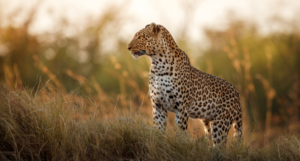
  1. Jhalana Leopard Safari Park (Leopard Safari)
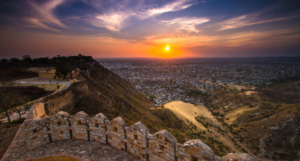
  2. Nahargarh Fort (Sunrise Trek)
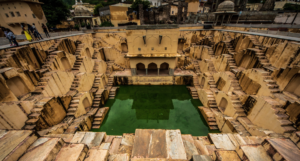
  3. Panna Meena Ka Kund (Stepwell Stop)
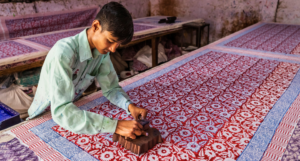
  4. Sanganer (Block Painting)
  5. Bishnoi Village (Village Safari)
  6. Padao Restaurant (Sunset Views)
  7. C-Scheme (Art Cafe Hopping)
  8. Amber Fort (Hot Air Balloon)
  9. Johari Bazaar (Jewellery Workshop)
  10. Galtaji Temple (Monkey Temple Visit)

 1. Jhalana Leopard Safari Park (Leopard Safari)

Location: Malviyanagar, Jaipur, Rajasthan, India.

Jhalana Leopard Safari Park

Jhalana brings a different kind of thrill, the quiet, patient kind. As your jeep moves through dry forests and rocky terrain, every rustle feels significant. Spotting a leopard here isn’t just luck; it’s a moment that builds slowly and then hits you all at once. It’s raw, real, and surprisingly intimate for a wildlife experience so close to the city.

Why Visit:

  • High leopard sightings
  • Less crowded reserve
  • Unique urban safari

Food: Fresh poha, buttery sandwiches, and a cup of hot masala chai make the perfect quick fuel before or after your safari.

 2. Nahargarh Fort (Sunrise Trek)

Nahargarh Fort Sunrise

Location: Brahampuri, Jaipur, Rajasthan, India.

Climbing up Nahargarh before sunrise feels like entering a quieter version of Jaipur. The air is fresh, the paths are calm, and as the sun rises, the city slowly lights up in soft pink and gold. It’s one of those rare travel moments where you’re not rushing, you’re just there, soaking it all in.

Why Visit:

  • Peaceful mornings
  • Panoramic city views
  • Easy trek

Food: Crispy pyaaz kachori, golden samosas, and steaming chai, simple, satisfying, and even better with a view.

 3. Panna Meena Ka Kund (Stepwell Stop)

Panna Meena Ka Kund

Location: Amer, Jaipur, Rajasthan, India.

The beauty of Panna Meena ka Kund lies in its simplicity. The crisscrossing staircases create patterns that feel almost hypnotic. It’s calm, almost meditative, and far removed from the city’s buzz. Sitting here for a while, you begin to appreciate how thoughtfully such spaces were designed centuries ago.

Why Visit:

  • Symmetrical architecture
  • Quiet, offbeat spot
  • Photo-friendly

Food: Spicy mirchi vada, flaky kachoris, and chilled lassi with local flavours that hit just right.

 4. Sanganer (Block Painting)

Location: Sanganer Bazar, Sanganer, Jaipur, Rajasthan, India.

Sanganer Block Painting

In Sanganer, every piece of fabric tells a story. Watching artisans stamp intricate patterns with wooden blocks is almost rhythmic, almost meditative. When you try it yourself, there’s a mix of excitement and respect that makes you realise just how much patience and precision go into this centuries-old craft.

Why Visit:

  • Hands-on craft
  • Cultural immersion
  • Unique souvenirs

Food: A hearty spread of dal baati churma, gatte ki sabzi, and rustic bajra roti, pure Rajasthani comfort on a plate.

 5. Bishnoi Village (Village Safari)

Location: Near Jaipur, Rajasthan, India.

Bishnoi Village (Village Safari)

Bishnoi Village isn’t curated, it’s lived. The simplicity of mud homes, the warmth of the people, and their deep-rooted respect for nature create a genuinely authentic experience. It’s not about ticking off a place; it’s about understanding a way of life that’s both humble and inspiring.

Why Visit:

  • Rural Rajasthan experience
  • Eco-conscious lifestyle
  • Cultural insight

Food: Smoky bajra roti, tangy ker sangri, and refreshing chaas, simple, earthy, and deeply satisfying.

 6. C-Scheme (Art Cafe Hopping)

Location: Jaipur, Rajasthan, India.

C-Scheme art cafe jaipur

C-Scheme feels like Jaipur’s modern personality coming alive. The cafés here are cosy yet vibrant, filled with art, conversations, and a laid-back charm. It’s where you go when you want to experience a different, more contemporary side of the city.

Why Visit:

  • Trendy vibe
  • Café culture
  • Creative spaces

Food: Fluffy pancakes, gourmet sandwiches, rich artisanal coffee, and indulgent cheesecakes, cafe hopping done right.

 7. Padao Restaurant (Sunset View)

Padao Restaurant sunset jaipur

Location: Nahari Ka Naka, Jaipur, Rajasthan, India.

As the sun dips behind the hills, Jaipur begins to glow in a completely different way. At Padao, it’s not just about the view; it’s the feeling. The music, the breeze, and the slow transition from day to night make it the perfect spot to pause and unwind.

Why Visit:

  • Stunning sunsets
  • Relaxed vibe
  • Less crowded

Food: Cheesy pizzas, creamy pastas, chilled cold coffee, and refreshing mocktails best enjoyed with golden-hour views.

 8. Johari Bazar (Jewellery Workshop)

Johari Bazaar (Jewellery Workshop)

Location: Chaura Rasta, Jaipur, Rajasthan, India.

Johari Bazaar sparkles with more than just jewellery. It’s full of stories of the past and present. Inside the workshops, artisans carefully craft each piece with incredible precision. Watching them work gives you a newfound appreciation for the effort behind every gem and design.

Why Visit:

  • Famous gem market
  • Artisan interaction
  • Custom jewellery

Food: Sweet ghewar dripping with syrup, creamy rabri, frothy lassi, and iconic pyaaz kachori, a true Jaipur indulgence.

 9. Galtaji Temple (Monkey Temple)

Galtaji Temple (Monkey Temple Visit)

Location: Lal Dungri, Jaipur, Rajasthan, India.

Tucked between hills, Galtaji feels like a hidden escape. The natural water tanks, old temple structures, and playful monkeys create a setting that’s both lively and serene. It’s a place where you can slow down, observe, and just exist in the moment.

Why Visit:

  • Scenic location
  • Peaceful setting
  • Offbeat temple

Food: Hot pakoras, crispy kachoris, and cutting chai, a combination of simple bites that feel just right after the climb.

 10. Amber Fort (Hot Air Balloon)

Amber Fort (Hot Air Balloon)

Location: Amer, Jaipur, Rajasthan, India.

Floating above Amber Fort is surreal. The landscape stretches endlessly, and the silence makes it even more magical. It’s one of those rare experiences where you feel completely present, taking in the beauty of Jaipur from a perspective few get to see.

Why Visit:

  • Aerial views
  • Unique experience
  • Peaceful ride

Food: Light continental breakfast with fresh juices, sandwiches, and baked treats to ease into the morning.

Shopping in Jaipur: The Royalty of Retail Therapy

Who needs a crown when Jaipur’s bazaars already treat you like royalty? Step in, and it’s all sparkle, colour, and a little bit of chaos you’ll absolutely love.

  • Bapu Bazaar: Your go-to for mojris (traditional footwear), lac bangles, block-printed textiles, and Jaipuri quilts (razais) at great prices.
  • Johari Bazaar: From delicate kundan and polki jewellery to statement bridal sets, it’s the kind of market where you walk in “just to look” and walk out dreaming of weddings.
  • Nehru Bazaar: Fun, affordable, and full of life. It’s perfect for picking up jutis, tie-dye outfits, and quirky souvenirs without overthinking your budget.
  • Tripolia Bazaar: A little old-school, a little magical. You’ll find beautiful lac bangles, traditional bandhani fabrics, and handcrafted pieces that feel like they carry stories from another time.

Hidden Places to Visit in Jaipur

  • Sisodia Rani Garden (royal garden, murals)
  • Vidyadhar Garden (terraced Mughal-style garden)
  • Khole Ke Hanuman Ji Temple (hilltop temple, scenic views)
  • Anokhi Museum of Hand Printing (block print heritage)
  • Amagarh Fort (offbeat fort ruins)

Where to Stay in Jaipur: Royal Comfort of Luxury Villas

Jaipur’s royal charm feels even better when experienced through Luxury Villas in Jaipur. Offering unmatched privacy, these villas are ideal for families, couples, or groups seeking a peaceful escape. Spacious living areas, elegant bedrooms, private pools, and beautifully designed interiors bring together comfort and grandeur, often inspired by Jaipur’s heritage with a modern touch.

What makes Luxury Villas in Jaipur truly stand out is the curated, personalised experience. From hygienic, well-maintained spaces to premium amenities including private chefs and concierge services, every detail is thoughtfully managed. With a strong focus on trust and transparency, including clear pricing, verified properties, and seamless booking, you can enjoy a stress-free, elevated stay in the Pink City.

FAQs About:- Things to do in Jaipur

 1. Which are the must-visit places in Jaipur for an offbeat trip?

Some of the must-visit places in Jaipur include Panna Meena Ka Kund, Galtaji Temple, Bishnoi Village, and hidden gems like Sisodia Rani Garden and Amagarh Fort.

 2. What are the best shopping spots in Jaipur?

The best shopping spots in Jaipur, including Johari Bazaar, Bapu Bazaar, and Tripolia Bazaar, are perfect for jewellery, textiles, mojris, and traditional handicrafts.

 3. Is Jaipur safe for solo travellers?

Yes, Jaipur is generally safe, especially in tourist areas, with basic precautions.

 4. Where can I experience Jaipur’s culture up close?

To experience Jaipur’s culture, one can attend Sanganer’s block-printing workshops and Bishnoi Village safaris, which offer an authentic glimpse into local traditions and lifestyles.

 5. What is Jaipur famous for in food?

Jaipur is known for pyaaz kachori, dal baati churma, malai ghewar, laal maas, and refreshing lassi.

 6. Where can I enjoy the best sunset views in Jaipur?

Padao Restaurant at Nahargarh offers one of the most beautiful sunset views overlooking the city. 

 7. What are the best adventure experiences in Jaipur?

Try a leopard safari at Jhalana, a hot air balloon ride over Amber Fort, or a sunrise trek to Nahargarh Fort.

 8. Are luxury villas in Jaipur a good accommodation option?

Yes, Luxury Villas in Jaipur offer privacy, premium amenities, personalised services, and a comfortable, hygienic stay.

 9. What is the best time to visit Jaipur?

The best time to visit Jaipur is from October to March, with ideal pleasant weather, perfect for sightseeing and outdoor experiences.

 10. Are there romantic experiences for couples in Jaipur?

Yes, sunset views at Nahargarh, hot air balloon rides, and private villa stays make it a perfectly romantic experience for couples.

Best Things to Do in Dharamshala for a Peaceful Mountain Escape

Known as the “Little Lhasa of India,” Dharamshala is where mountain calm meets cultural soul, offering endless things to do in Dharamshala that blend adventure, spirituality, and slow living. Think easy hikes with rewarding views, peaceful spaces filled with calming chants, refreshing waterfalls, and sunsets that make you pause without trying. You can wander through lively streets, soak in local culture, and still find quiet corners that feel like your own little escape. It’s one of those places where your plans feel full, but your mind feels light, because honestly, here you don’t just take a break, you peak one. 

When it comes to things to do in Dharamshala, the vibe is all about balance. One moment you’re exploring art and culture, the next you’re unwinding by serene spots or taking in unreal mountain views. It works for solo trips, quick getaways with friends, or even a one-day reset. And after all that exploring, relaxing in peaceful villas in Dharamshala ties it all together with space, views, and that slow mountain living energy.

Explore the Best Things to Do in Dharamshala

  1. Trek to Triund
  2. Tsuglagkhang Complex
  3. Bhagsu Waterfall
  4. Sunset View from Naddi View Point
  5. Norbulingka Institute
  6. Dal Lake
  7. Namgyal Monastery
  8. Kareri Lake
  9. Dharamshala Cricket Stadium
  10. McLeod Ganj Markets

 1. Trek to Triund

Trek to Triund

Location: Dhauladhar Range, Kangra district, Himachal Pradesh, India.

The Triund trek is your quick mountain glow-up near McLeod Ganj, an easy 9 km hike you can finish in 4–6 hours without feeling like a pro trekker. Think forest trails, cool mountain air, and a final view that hits you with full-on Dhauladhar drama and Kangra Valley magic. Perfect for beginners, weekend wanderers, and anyone chasing that “wow, I needed this” moment.

Why Visit:

  • Panoramic Dhauladhar views
  • Easy, beginner-friendly trek
  • Ideal for camping
  • Beautiful sunrise & sunset
  • Fresh mountain air & nature escape
  • Great for photography

What to Eat: Carry light, high-energy foods like dry fruits, fruits, sandwiches, and protein bars, and enjoy Maggi or tea at trail stalls to keep you fueled and smiling all the way to the top. 

 2. Tsuglagkhang Complex

Tsuglagkhang Complex

Location: Tsuglakhang Complex, McLeod Ganj, Dharamshala, Himachal Pradesh, India.

The Tsuglagkhang Complex is the spiritual centre of Dharamshala and the residence of the Dalai Lama, established after he arrived in 1959. It holds deep cultural and religious significance, showcasing Tibetan Buddhism and life in exile. With its peaceful vibe, prayer chants, and scenic surroundings, it offers both spiritual calm and cultural insight.

Why Visit:

  • Join peaceful prayer sessions
  • Explore the temple vibes
  • Meditate and unwind
  • Dive into Tibetan culture
  • Enjoy serene views

What to Eat: Grab a plate of hot momos, sip some butter tea, and enjoy a warm bowl of thukpa or Maggi, simple, soulful food that tastes even better in the calm mountain air.

 3. Bhagsu Waterfall

Bhagsu Waterfall

Location: Bhagsu, McLeod Ganj, Dharamshala, Himachal Pradesh, India. 

Bhagsu Waterfall is one of the most popular spots near McLeod Ganj, known for its easy hike and refreshing vibe. The waterfall is closely linked to the ancient Bhagsunag Temple, which holds religious significance and is associated with local legends of King Bhagsu. Surrounded by lush greenery and rocky terrain, it has become a favourite hangout for travellers looking to unwind in nature while soaking up the region’s spiritual and cultural essence. 

Why Visit:

  • Hike up to the waterfall
  • Enjoy the refreshing mountain splash
  • Cafe Hopping
  • Capture scenic views
  • Explore Bhagsunag Temple

What to Eat: Enjoy cafe treats like pancakes, sandwiches, Maggi, momos, and a hot cup of coffee or chai while relaxing with a view of the hills.

 4. Sunset View – Naddi View Point

Naddi View Point

Location: Naddi Village, Dharamshala, Himachal Pradesh, India.

Naddi View Point is one of the best places to visit in Dharamshala for a magical sunset experience. Known for its panoramic views of the Dhauladhar mountains, this scenic spot is perfect for travellers looking for peaceful places in Dharamshala away from the crowds. Once a quiet village, Naddi has become a favourite for those exploring things to do in Dharamshala, especially for nature lovers and photography enthusiasts seeking calm and breathtaking landscapes.

Why Visit:

  • Watch the sunset over the Dhauladhar range
  • Capture panoramic valley views
  • Short nature walks around Naddi
  • Landscape photography
  • Relax at scenic viewpoints

What to Eat: Enjoy hot Maggi, steamed momos, butter tea or masala chai, pancakes, and simple Tibetan dishes like thukpa at nearby cafés while soaking in the mountain views. 

 5. Norbulingka Institute

Norbulingka Institute

Location: Sidhpur, Mohli Lahrandi, Dharamshala, Himachal Pradesh, India.

Founded in 1988, Norbulingka Institute is where Tibetan art and culture truly come alive in Dharamshala. From intricate thangka paintings to detailed woodwork, you can watch skilled artisans keep centuries-old traditions alive. More than just a cultural space, it feels like a living story of Tibetan identity and resilience, making it a must-visit for anyone wanting a deeper, more meaningful travel experience.

Why Visit:

  • Thangka painting studios
  • Wood carving units
  • Doll museum (Tibetan heritage)
  • Prayer hall & temple
  • Japanese-style gardens
  • Craft store & souvenir shop

What to Eat: Dig into warm bowls of thukpa, juicy momos, fluffy tingmo, and sip on comforting butter tea at the cosy in-house cafe; it’s like a little Tibetan hug on a plate.

 6. Dal Lake

Dal Lake

Location: McLeod Ganj, Dharamshala, Himachal Pradesh, India.

Dal Lake is a small yet peaceful lake surrounded by deodar forests, offering a calm escape from the busy town. Named after the famous lake in Kashmir, it holds local cultural importance and is closely associated with a sacred Shiva temple on its banks. The lake also hosts an annual fair during September, attracting locals and visitors alike. Often visited for quiet moments, nature views, and spiritual vibes, its simplicity and scenic setting make it a soothing stop in Dharamshala.

Why Visit:

  • Lakeside forest walk
  • Visit the Shiva temple
  • Capture reflections
  • Relax by the water
  • Quiet picnic

What to Eat: Savour a steaming plate of Maggi, soft momos, and a cup of chai by the lake, simple comfort food that somehow tastes magical in the cool forest breeze.

 7. Namgyal Monastery

Namgyal Monastery

Location: McLeod Ganj, Dharamshala, Himachal Pradesh, India.

Namgyal Monastery is the personal monastery of the Dalai Lama and one of the most important Tibetan Buddhist centres outside Tibet. Established in the 16th century and later re-established in Dharamshala, it plays a key role in preserving Tibetan spiritual traditions. The monastery offers a peaceful space to witness rituals, connect with Buddhist teachings, and experience the calm rhythm of monastic life.

Why Visit:

  • Sunrise and sunset lakeside views
  • Lakeside nature walk through the Deodar forest
  • Visit the Dal Lake Shiva temple
  • Photography of scenic reflections
  • Peaceful picnic by the lake
  • Relax in a calm, quiet setting

What to Eat: Savour steaming hot momos dipped in fiery chutney, slurp on a comforting bowl of thukpa or fluffy tingmo, and top it off with classic Maggi and chai, the ultimate combo for soaking in those cool, forest-kissed lake vibes.

 8. Kareri Lake

Kareri Lake

Location: Dharamshala Tehsil, Kangra District, Himachal Pradesh, India. 

Kareri Lake is a pristine high-altitude freshwater lake nestled amid dense pine forests and the Dhauladhar range, offering a peaceful escape into raw nature. The scenic yet manageable trek makes it ideal for all, while its crystal-clear, glacial waters, often revealing the lakebed, add to its charm and sacred association with Lord Shiva. Surrounded by alpine meadows, it also serves as a base for treks like Minkiani and Baleni Pass, with nearby Kareri village showcasing Gaddi culture.

Why Visit:

  • Lakeside Camping 
  • Shakti Temple
  • Birdwatching
  • Explore Kareri Village
  • Pine forests
  • Alpine meadows
  • Streams & waterfalls
  • Minkiani Pass

What to Eat: Dining around Kareri Lake is simple and hearty, with local stalls and homestays serving essentials like Maggi, dal-chawal, momos, churma, and hot tea or soups to keep you warm and energised during the trek. 

 9. Dharamshala Cricket Stadium

Dharamshala Cricket Stadium

Location: Jawahar Nagar, Dharamshala, Chelian, Himachal Pradesh, India.

Perched at about 1,457 meters, Dharamshala Cricket Stadium feels less like a sports ground and more like a postcard, with the Dhauladhar peaks casually stealing the spotlight in the background. Built in 2003, it has hosted buzzing IPL and international matches, but even on quiet days, its Tibetan-style charm and serene vibe make it worth a visit, honestly, here even a dot ball feels scenic.

Why Visit:

  • Stadium seating with panoramic mountain views
  • Pavilion and Tibetan-style architecture
  • Surrounding the Dharamshala landscape
  • Cafe hopping
  • Explore local markets

What to Eat: Grab quick, comforting bites like steaming momos, classic Maggi, sandwiches, and pakoras, best paired with a hot cup of chai or coffee from nearby stalls and cafes, perfect for match-day munching with a view.

 10. McLeod Ganj Market

McLeod Ganj Market

Location: McLeod Ganj, Dharamshala, Kangra District, Himachal Pradesh, India.

McLeod Ganj Market reflects strong Tibetan influence, shaped by the settlement of Tibetan communities after the arrival of the Dalai Lama in 1959. Today, it stands as a vibrant cultural hub where Tibetan traditions, food, and crafts blend seamlessly with the local Himachali lifestyle.

Why Visit:

  • Tibetan handicrafts and prayer items
  • Woollens, jewellery, and souvenirs
  • Street cafes and bakeries
  • Nearby monasteries and streets

What to Eat: Enjoy juicy momos with spicy chutney, sip warm butter tea, and try freshly baked Tibetan bread while cafe hopping through lanes filled with comforting aromas.

Hidden Places to Visit in Dharamshala

  • Dharamkot
  • Gallu Devi Temple
  • Indrahar Pass
  • Aghanjar Mahadev Temple
  • Gyuto Monastery
  • War Memorial Dharamshala
  • Tea Gardens Dharamshala
  • Chinmaya Tapovan
  • Naam Art Gallery
  • Khaniyara Slate Mines

Where to Stay in Dharamshala: Best Villas and Cottages

Finding the right stay can truly elevate your trip, and villas in Dharamshala offer the perfect blend of comfort, privacy, and stunning mountain views. Whether you’re travelling with family or friends, these spacious stays let you soak in the calm, scenic charm of the hills. If you’re looking for something cosier, cottages in Dharamshala are ideal for a peaceful retreat, surrounded by nature and far from the usual tourist rush.

For a charming and comfortable experience, consider Esh Cottages Resort Moss, a serene stay that combines rustic vibes with modern comforts, making it perfect for a relaxing mountain escape.

FAQs About:- Best Things to Do in Dharamshala

 1. Why should you visit Dharamshala?
You should pay a visit to Dharamshala for its perfect mix of mountains, monasteries, scenic views, and peaceful vibes.

 2. What are the top 5 tourist places in Dharamshala?
The top 5 tourist places in Dharamshala are Triund, Bhagsu Waterfall, Dal Lake, Namgyal Monastery, and Dharamshala Cricket Stadium.

 3. What are the best things to do in Dharamshala?
Trekking, cafe hopping, visiting monasteries, enjoying sunsets, and exploring local markets.

 4. What are some unique things to do in Dharamshala?
Some of the unique things to do in Dharamshala include camping by Kareri Lake, visiting Norbulingka Institute, and exploring Tibetan art and culture.

 5. What are the best things to do in Dharamshala with friends?
Go on the Triund trek, cafe-hop in McLeod Ganj, and enjoy the sunset at Naddi View Point.

 6. What are the best things to do in Dharamshala for couples?
Relax by Dal Lake, enjoy scenic sunsets, and stay in cosy mountain cottages.

 7. What can you do in Dharamshala in 1 day?
Visit McLeod Ganj, explore monasteries, see Bhagsu Waterfall, and catch the sunset at Naddi.

 8. Where should you stay in Dharamshala?
Stay in scenic villas in Dharamshala or cosy cottages like Esh Cottages Resort Moss for a comfortable mountain escape.

 9. Are there pet-friendly cottages in Dharamshala?
Yes, many cottages in Dharamshala are pet-friendly, making it easy to travel with your furry companions.

 10. Where can you explore culture in Dharamshala?
At Tsuglagkhang Complex, Namgyal Monastery, Norbulingka Institute, and McLeod Ganj Market.

15 Amazing Things to Do in Delhi for First-Time Visitors

The capital of India, Delhi, is one of the highly populated metropolitan union territories. It’s a dream destination for Indians to experience Delhi life at least once. Delhi is adorned with many world heritage sites, reflecting the glory of India’s past. It is also the biggest hub of technological advancements and brings revolutionary change, upgrading the conditions of society. There’s a wide variety of things to do in Delhi. 

In addition to monuments and forts, Delhi is also famous for its wide variety of street food. The metro culture also makes it easier to travel comfortably around the city. The list of places to visit in Delhi would keep going. Planning a trip to Delhi would serve a wide variety of options to explore. The saying, “Delhi ki baat hi alag hai”, would truly be justified once you explore it. 

Best Things to Do in Delhi for First-Time Visitors

 1. Swaminarayan Akshardham

Akshardham

Location: Pramukh Swami Maharaj Marg, Pandav Nagar, New Delhi, Delhi, India

Why Visit:

Swaminarayan Akshardham Temple is built to honour Bhagwan Swaminarayan and his successor gurus, including Gunatitanand Swami, Bhagatji Maharaj, Shastriji Maharaj, Yogiji Maharaj, and Pramukh Swami Maharaj. 

Things to Do:

The temple campus comprises:

  • Swagatam ( welcome area)
  • Mandir 
  • Abhishek Mandap
  • Exhibitions
  • Water Show
  • Thematic Gardens

Swaminarayan Akshardham is a majestic temple complex spread across 100 acres of land. The main divine shrine is made with exquisite quality pink sandstone and marble. The main shrine temple is surrounded by beautiful gardens and fountains, creating a picturesque view. Electronic devices being prohibited in the vicinity are to be submitted to security. Bhaktajans also have access to the food court and book/gift store. 

Food: A Food Court is set up within the vicinity for the convenience of the visitors. Visitors should try the traditional Swaminarayan Khichdi, Chole Bhature, and Pav Bhaji. 

 2. Qutub Minar

Location: Mehrauli, South Delhi, India. 

Why Visit: 

Qutub Minar is the tallest brick minar in the world, representing the beginning of Mughal Rule in India. It is also recorded as a UNESCO World Heritage site.

Things to Do:

  • Quwwat-ul-Islam Mosque
  • Alai Darwaza
  • Iron Pillar
  • Tomb of Iltutmish

Qutub Minar was built and completed under the rule of Qutb ud din Aibak and Shamsu’d-Din Iltutmish. This complex of mosque and minarets was further expanded by Allauddin Khilji. He prominently added the Alai Darwaza Gateway and madrasa. The complex buildings are ornate with bands of Arabic calligraphy. 

Food: The food options near Qutub Minar include: Khau Gali street food offering momos, Sandheko, and Dal Mahkhni. Upscale dining restaurants are offering Mediterranean cuisine, Himalayan cuisine, and many other northern cuisines. 

 3. Humayun’s Tomb

Humayun’s Tomb

Location: Nizamuddin East, New Delhi, India. 

Why Visit:

Built between 1565- 72, represents the Mughal rule and its supremacy. The structure has been an inspiration for Taj Mahal. It is declared as one of the best UNESCO World Heritage sites. Commissioned by Humayun’s widow, Bega Begum, it was the first massive imperial mausoleum of the Mughal dynasty.

Things to Do:

The tomb structure includes:

  • Double Dome Structure
  • Charbagh (four-fold garden)
  • Elevated Plinth
  • Irregular Octagonal Plan
  • Double-Storyed Facade
  • Chhatris and Finials
  • Iwan Entrances

Food: One can pick any suitable dining option from the nearby Khan Market and Pandara Road Market. Non-veg lovers can also go for Mughlai cuisine in Nizamuddin. 

 4. Red Fort

Red Fort

Location: Netaji Subhash Marg, Old Delhi, India. 

Why Visit:

The Red Fort is a representative symbol of India’s independence and the capital of India. Built by Mughal Emperor Shah Jahan, the Red Fort is a UNESCO World Heritage Site, representing the Mughal Rule during the 17th century. The building is made of Red sandstone bricks on the exterior, and the interior is covered with white marble. The interiors are also ornate with expensive gemstones.  

Things to Do:

This grand architecture of the Mughal dynasty is a blend of Persian, Timurid, and Indian styles. The complex structure includes:

  • Lahori Gate
  • Diwan-i-Aam
  • Diwan-i-Khas
  • Chhatta Chowk
  • Light and Sound Show
  • Museum 

Food: The best Mughlai cuisine can be found near Red Ford, including Mutton Korma, Mutton Burra, and Biriyani. For street food, one should definitely try Dahi Bhalla, Chole Bhature, and Kulfi. 

 5. Jama Masjid

Jama Masjid

Location: Chandni Chowk, Delhi, India. 

Why Visit:

Jama Masjid is a 17th-century mosque built by the Mughal Empire. It is famous for its spirituality and is also India’s largest mosque. 

Things to Do:

The architectural structure is built with red sandstone on the exterior and white marble on the interior. This religious heritage has many aspects to be observed, including:

  • Courtyard (Sahn)
  • Main Prayer Hall (Liwan)
  • Domes
  • Minarets
  • Gateways
  • Ablution Tank
  • Minbar (Pulpit)
  • Sundial  

Food: Food lovers can try Nalli Nihari, Biryani, Keema Samosa, and so on. Sweet tooths can indulge in Shahi Tukda and Sheermal. 

 6. Gurudwara Bangla Saheb

Gurudwara Bangla Saheb

Location: Ashoka Road/Baba Kharak Singh Marg, Near Connaught Place, New Delhi, India. 

Why Visit:

Gurudwara Bangla Saheb was built in the 17th century, in honour of Guru Har Krishan Ji’s visit and service. A bungalow was gifted to the sikh community by Raja Jai Singh, turning it into a religious and sacred place. The Gurudwara also promotes the spread of kindness and selfless service towards society. 

Things to Do:

The Gurudwara contains many elements that are all considered sacred and healing in nature. These things include:

  • Golden Domes
  • White Marble Facade
  • Sarovar (Holy Pond)
  • Arches and Columns
  • Chhatris (Pavilions)
  • Jharokhas (Oriel Windows) 
  • Gateway and Courtyard
  • Nishan Sahib
  • Langar

Food: Visiting Gurudwara Bangla Sahib, the most precious edible for consumption is the mandir’s “karah Prashad”, which is eagerly loved by the visitors. The Gurudwara’s langar is also a famous part of the Gurudwara, including hot daal, fresh roti, mixed vegetable curry, and kheer, which is served on special occasions. 

 7. India Gate

India Gate

Location: Kartavya Marg, Delhi, India. 

Why Visit:

India Gate is built in honour and memory of 70,000 Indian Soldiers who laid down their lives during World War I and the Third Anglo-Afghan War. It brings in patriotic feelings and also includes the Amar Jawan Jyoti.  

Things to do:

While visiting India Gate, people get to admire different elements of the vicinity, including:

  • The Arch (Tetrapylon)
  • Amar Jawan Jyoti (Eternal Flame)
  • Inscribed Walls
  • Canopy
  • Cornice and Sunbursts
  • Surroundings

India Gate’s architectural style is an amalgamation of classical, triumphal arch, and Indo-Saracenic style. It is built using red and yellow sandstone from Bharatpur, with a base made of red granite. The walls of the monument bear the names of 13,516 British and Indian soldiers who died in the Northwestern Frontier in the Afghan war of 1919 and other conflicts. The word “INDIA” is inscribed at the top on both sides, flanked by the dates “MCMXIV” (1914) on the left and “MCMXIX” (1919) on the right. 

Food: Streets surrounding India Gate serve some of the best street food options, including Bhel Puri, Sev Puri, Dahi Puri, Momos, Dosas, and Tandoori Platters. 

 8. Lotus Temple

Lotus Temple

Location: Bahapur, Kalkaji, South Delhi, India. 

Why Visit:

The Lotus Temple is a must-visit for its stunning lotus-shaped architecture, serene atmosphere, and universal message of unity. The Lotus Temple follows the tradition of the Baháʼí faith, promoting unity among people of different religious beliefs.

Things to do:

The Lotus Temple is famous for its idol-less prayer room where people of any religious beliefs could enter and meditate or pray as long as they wish. Other than that, the complex comprises several features:

  • Lotus Petals (Leaf-shaped)
  • Nine entrances 
  • Nine reflecting Pools
  • Central Hall
  • Natural Light and Ventilation
  • Materiality (white marble, interior with polished concrete)

The Lotus Temple was built under the leadership of Ardishir Rustampur, who was a Baha’i, believing in unity amongst people from all walks of life. The beauty of the temple gets enhanced by the green scenic view. The temple symbolises unity and peace, serving as a spiritual place for all humans. 

Food: Food choices near the Lotus temple range from north Indian cuisine to street food to traditional Bengali cuisine. 

 9. Chandni Chowk

Chandni Chowk

Location: Near Red Fort, Old Delhi, India. 

Why Visit:

Chandni Chowk is one of the biggest markets of Delhi, serving everything from shopping to mouth-watering food. You can get anything and everything from this market hub. This market is a setup serving every person at the most affordable prices. 

Things to Do:

The famous places and things to explore when entering Chandni Chowk include:

  • Paranthe Wali Gali
  • Dariba Kalan (jewellery shopping)
  • Katra Neel (fabric shopping)
  • Places to visit near Chandni Chowk include: Red Fort and Jama Masjid
  • Ballimaran Market (affordable shoes and sunglasses)
  • Bhaghirata Palace (market for electrical goods and lighting)

Chandni Chowk was originally built during the 17th century to sell and buy heavy and expensive metals. This was constructed under the commission of Princess Jahanara Begum, daughter of Shah Jahan. Being primarily famous for the silver trade, some of the shops were also moon-shaped to show the value of silver and reflect luxury. 

 Food: Chandni Chowk is one of the biggest street food places. You can try jalebi from Jalebiwala, stuffed parathas from Parathe Wali Gali, spicy Daulat ki chaat, Natraj’s Dahi Bhalla, Kuliya ki chaat, and Rabri from Giani’s di Hatti. 

 10. Lodhi Garden

Lodhi Garden

Location: Lodhi Road, South Delhi, India. 

Why Visit:

Lodhi Garden is a marvel of picturesque gardens and long jogging trails, revered over centuries for its calmness, beauty, and tranquillity. It is also a hub of small domes and shrines built during the rule of Sikandar Lodhi in the 15th century. The garden is also an epicentre surrounded by many historical monuments and modern places to visit. 

Things to do:

The beauty of Lodhi Garden is spread across 90 acres of land. Other than admiring its beauty, Lodhi Garden is famous for a lot of activities, including:

  • Historical Tombs (15th century): Tomb of Sikandar Lodhi, Bara Gumbad, and Shisha Gumbad. 
  • Bird watching
  • Nature watching
  • The magnificent Glasshouse
  • Bonsai Park
  • Pond surrounded by trees and housing ducks
  • Jogging track
  • Athpula Bridge
  • Yoga/Natural Gym

Lodhi Garden is not simply a garden, but holds historical significance dating back to the 15th century. It comprises monuments from the Lodhi as well as the Sayyid dynasty. The monuments were first part of the Khairpur Village. This was later transformed into a structured place, surrounding the monuments with trees and beautiful green landscape. This village was renamed and transformed into a garden complex by Lady Willingdon in 1936. 

Food: The famous dishes to explore around Lodhi Garden include Braised Moroccan Lamb in Lodhi Garden restaurant, Blue Cheese Baklava at Mesa, Nihari from MI food centre, and high tea at Elma’s Brasserie. 

 11. Hauz Khas Village

Hauz Khas Village

Location: South Delhi, India. 

Why Visit:

Hauz Khas village is a dream place for lovers of art, history, and culture. The village is a cluster of historical monuments, bohemian souvenir shopping centres, amazing street food, and lavish dining areas. The old buildings are inspired by the muslim architectural style. 

Things to Do:

The Hauz Khas Village has a lot of things to explore for everyone:

  • Hauz Khas Fort (Indo-Islamic Architecture)
  • Lake complex: Royal Reservoir (Hauz-e-Alai)
  • Deer park
  • Rose garden
  • Art Galleries: Art Explore, The Village Gallery, Resin art at Chalk Board Studio
  • Pagal Record Store
  • Nightlife: cafe hopping, clubbing

The Hauz Khas Village was built during the reign of the Delhi Sultanate in the 13th century. The Hauz Khas Royal Tank was built by Allauddin Khilji for his Siri Fort. By the early 14th century, this tank was deteriorating and was recovered by Firoz Shah Tuglaq. Additionally, he also built a mosque as well as a large Madrasa. Later, Firoz Shah’s Tomb was built inside the Madarsa vicinity. In modern times, the village was transformed into a cultural hub.

Food: Food lovers won’t have to worry as Hauz Khas is also a hub of food, including north Indian cuisine, Chinese, and continental cuisine. 

 12. Sunder Nursery

Sunder Nursery

Location: Bharat Scouts and Guides Marg, Nizamuddin, New Delhi, India. 

Why Visit:

Sunder Nursery is an assemblage of 15th-century monuments, biodiverse nature, and beautiful landscapes. It is also a UNESCO World Heritage Site. 

Things to Do:

  • Historical Monuments to explore: Sunder Burj, Lakkarwala Burj, Sunderwala Mahal. 
  • Gardens and Landscapes: Mughal Charbaugh Garden, Bonsai Garden, Rose Garden.
  • Microhabitat Zone
  • Mughal Period Water System
  • Children’s Play Zone
  • Picnic area
  • The Earth’s Collective Farmer Market (Organic Food, Artisan Crafts)

Food: There are multiple food options available around the Sunder Nursery vicinity, including Palak Patta Chaat, Sattu Paratha, Dosa, and continental cuisine. 

 13. Sarojini Nagar

Sarojini Nagar

Location: South West Delhi, India. 

Why Visit:

Sarojini Nagar is primarily famous for its market. The market comprises a wide variety of fashion wear, footwear, accessories, artificial jewellery, bags, and many more. All these are available at the lowest prices. Sarojini Nagar was named in honour of Sarojini Naidu and her contribution towards the freedom struggle.

Things to Do:

  • Shopping Spree
  • Exploring delicious street food

Food: Momos, Chaat, Paani Puri, Chole Bhature, Pakodas, and sweet kulfi. 

 14. Delhi Hatt INA

Delhi Hatt INA

Location: Sri Aurobindo Marg, Opposite INA Market, Laxmi Bai Nagar, New Delhi, India. 

Why Visit:

Delhi Hatt is a colourful and vibrant market reflecting many traditional and cultural aspects. The market is open on all days and occasionally brings in a cultural fest from specific regions. Every 15 days, a new set of cultural arts and crafts is displayed in the vicinity, bringing a diversified experience. The setup includes thatched-roof cottages, bringing a more traditional setup.

Things to Do:

  • Art and Craft Shopping
  • Traditional outfits/souvenirs 
  • Traditional cuisines
  • Cultural Performances
  • Places to explore nearby: INA market, Lodhi Garden, Safdurjung Tomb. 

Food: Food from all around the country is available in the most authentic taste of different states at different stalls, Maharashtra, Arunachal Pradesh, Bihar, Nagaland, Uttar Pradesh, and Tamil Nadu. 

 15. Firoz Shah Kotla Fort

Firoz Shah Kotla Fort

Location: New Delhi, India. 

Why Visit:

The fort is historically attractive with its 14th-century architectural ruins. The complex consists of a mosque, damaged rooms, and massive structures. The structure also includes Jami Masjid, Hawa Mahal, and Baoli (step well). It was built by Firoz Shah Tughlaq near the Yamuna River.  

Things to Do:

The historical structures that should be looked upon and admired include:

  • Ashokan Pillar (Minar-i-Zarin)
  • Jami Masjid
  • Circular Baoli
  • Pyramid of Cells
  • Fortification Walls
  • Djinn Worship Areas

Food: Visitors can experience the hype of Biriyani, Nalli Nihari, Tandoori Masala Chicken Momos, Kuliya Chatt, Pav Bhaji, Seek Kabab, and many more. 

FAQs About:- Things to Do in Delhi

 1. What are some of the famous things to do in Delhi?

In Delhi, one can explore historical monuments, lavish green gardens, markets, and party places.

 2. What are the famous UNESCO World Heritage Sites in Delhi?

Some of the famous UNESCO World Heritage sites include Humayun’s Tomb, Red Fort, and Qutub Minar. 

 3. What are some of the interesting shopping places to explore in Delhi?

The famous shopping places in Delhi include Haus Khas, Sarojini Market, Delhi Haat, Janpath, Chandni Chowk, and Lajpatnagar.

 4. What are the culturally rich places to visit in Delhi?

Delhi Hatt INA and Habitat Centre is one of the most culturally rich places in Delhi.

 5. What are the best food options to try in Delhi?

Delhi is famous for its chole kulche, momos, shaahi tukda, parathas, chatt, paani puri, and many more. 

 6. What are the best places to visit in Delhi with family?

Family-friendly places include Sunder Nursery, India Gate, and the National Rail Museum.

 7. What are the best outdoor activities in Delhi?

Outdoor activities include walking in Lodhi Garden and exploring nature at Sunder Nursery.

 8. What is one of the best religious places in Delhi?

Best religious places in Delhi include Lotus Temple, Akshardham Temple, Gurudwara Bangla Sahib and Jama Masjid.

 9. What are a couple of friendly outing places to visit in Delhi?

Lodhi Garden and Sunder Nursery are some of the couple-friendly places to visit in Delhi. 

 10. What are the evening strolling places to visit in Delhi?

India Gate, Connaught Place, and Cyber Hub are some of the best evening strolling places.